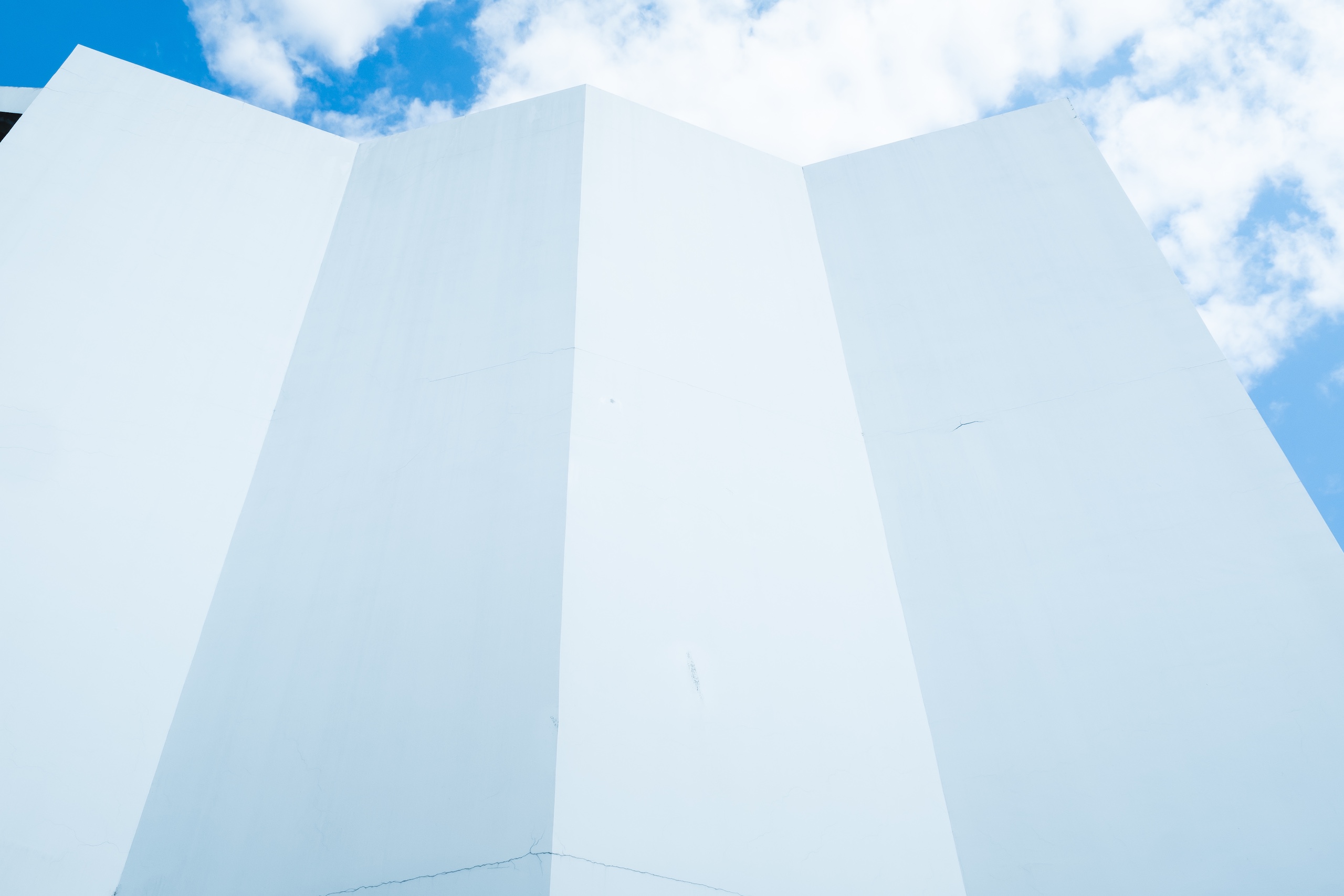
Forever fascinated by art and flowers, Yurika Ninomiya (二宮由利香)’s childhood hobbies led her to become a professional florist as well as an avid collector of art. After 13 years, Ninomiya decided to switch professions and became a full-time gallerist. gallery N was founded in 2008, and is based in Motoyama (本山), Nagoya (名古屋).
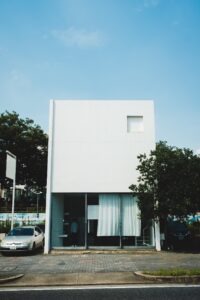
Designed as a home-and-gallery space by Suppose Design, the gallery started with the concept of presenting contemporary art in a floral and architectural context, hosting a wide range of exhibitions and talks by artists. The Ninomiya husband-and-wife team together manage the operation of the gallery, and steadily, N has matured into a major player in the Nagoya art scene. Branching out to Tokyo (東京) in 2017, Kanda Shataku (神田社宅) was established as an alternative platform for Aichi (愛知) and Nagoya-based artists. In this interview, we spoke with Ninomiya about the gallery, the pandemic, as well as her passion for flowers.
AXEL WANG:
This year marks the 12th anniversary of gallery N. It’s going to be impossible to summarise, but tell us how you feel, Ninomiya-san, is there a specific exhibition or a project that you are the fondest of?
YURIKA NINOMIYA:
We’ve been collecting for a long time, piece by piece. We obviously didn’t have the know-how of gallery management in the early days, but thanks to the support from clients and artists, we were able to establish N. To this day, we’ve successfully presented 155 exhibitions since its launch in 2008, it’s difficult to pick a favourite, but project-wise, the most memorable one was titled Shutchō N1. It’s like we brought the gallery along with us and went on different business trips to all these towns that didn’t host contemporary art galleries — twice to the Kagiya Building (カギヤビル) in Hamamatsu (浜松) and twice to the Nagase Shopping Arcade (ながせ商店街) in Tajimi (多治見), where we held special exhibitions in abandoned spaces and transformed a former restaurant into a white cube.
We were just so pleased to see crowds start gathering in places where no one really frequented before. In a sense, the areas were unexpectedly revitalised, and by the end of the exhibition period, there were even new commercial tenants who took over the spaces, which was something we could never have predicted. I think overall, the project reflects well on who we are and what the gallery stands for.
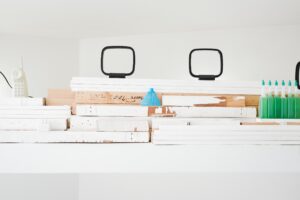
AW: We collaborated with a floral designer named Yuka Fukushima (福島由桂) for SYNONYM’s first presentation. We are always hugely inspired by works from floral artists like Daniel Ost and Makoto Azuma (東信). Do you draw any connection between the two occupations, florist and gallerist?
YN: When we first launched the gallery, the idea was to have an intersection point of art, architecture and flowers. As time went by, we slowly put more emphasis on contemporary art, so yes, our background may be slightly different from that of many galleries.
My experience as a floral designer does help with communication. Interweaving art with other genres also made it more approachable for a lot of clients and audiences who may not be familiar with the field. I think every individual is more multi-dimensional than he or she often realises, thus for N, I also wanted the gallery to be a place that opens gateways and possibilities for people.
AW: We love the fact that N sits in such a beautiful and contemporary architecture, combining your own home and gallery space, and creating this drastically different aura from its surroundings. Suppose Design is an incredible architecture firm, how did you come to work with Tanijiri Makoto (谷尻誠)? Was there any reason behind choosing this particular location in Motoyama?
YN: It was obviously a project that I couldn’t just handle on my own, and I barely knew any architects beforehand. I was at a complete loss, as you can imagine. It wasn’t until I came across Makoto-san’s work in a magazine, and I talked about it with my husband, then we finally decided to reach out to him. Just like any encounter, there were moments of doubt and unrest at first, especially due to the fact that he’s based in Hiroshima (広島). We were over the moon when Makoto-san responded and agreed to create this project, along with Yoshida Ai (吉田愛)-san. After meetings, we shared drinks and chats, it was a smooth sail, and we couldn’t have been happier with the outcome, not only because of the realisation of the project itself, but also the mutual understanding that was established.
When I was searching for a vacant property back then, I happened to walk past this place, and I noticed an elementary school behind it. It was April, and the cherry blossoms were in full bloom. You could hear children playing and running around, it was like a melody, I fell in love with it at first sight, and knew right away that it was perfect. It’s like a dream come true because ever since I was a child, I had dreamed of having a home in the Motoyama area.
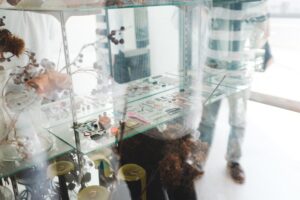
AW: What about the Tokyo outpost, Kanda Shataku (神田社宅), is there a different artistic direction between the two spaces?
YN: The Tokyo space was opened in 2017 when my husband relocated to the city for work. Exhibition-wise, I would say it’s half-half between Nagoya and Tokyo, we don’t draw any distinctions between the two spaces. I think sometimes the operational and production side of things can be extremely easy to overlook, as gallerists ourselves, we must prioritise the schedule of the artists.
For our local artists here in Aichi, it’s a great opportunity for them to gain more exposure by exhibiting in Tokyo, where there’s undoubtedly a larger market. Meanwhile, if artists are not able to visit Nagoya, we will present their works in Tokyo or vice versa. The same goes for clients and audiences, if they are intrigued by our Tokyo exhibitions, sometimes they even stop by our Nagoya space. I think that’s just a simple and convenient solution for everyone involved.
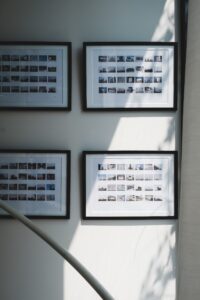
AW: We are living in strange times right now. It’s also a period of reflection for a lot of creative individuals we have spoken to. How are you coping with the pandemic?
YN: During the “stay-home” period, I felt that the way we were once so used to interacting with art had disappeared. Some clients told me that it was apparently their first time in decades not being able to visit any museums or galleries in person. I thought about that a lot, can we actually live in a world without experiencing art?
Right now, as we have seen, the industry is advancing towards the online market, be it museums or galleries, more digital exhibitions are emerging. I think as a result, this will drive more e-commerce sales of artworks than ever before, and that inevitably leads me to re-evaluate our own strategies as a gallery. Lately, I’ve seen drive-through exhibits. Despite the circumstances, interesting things are happening, perhaps an exhibition for home delivery could be fun too. (Laughs)
In the meantime, we hosted our first artist talk on Zoom, where a total of 8 artists presented their works during the talk. It was well received, as quite a lot of clients participated. For me, it was really exciting and fun, it just provided a new way of interaction that we had never thought of before. I would love to continue doing it, actually.
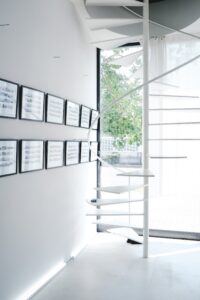
AW: The situation is getting better now. Does the gallery have any future plans this year? Any particular artists that you are hoping to work with?
YN: In October 2019, we held a Butoh2 performance by Konan Amoku (阿目虎南), who has gone solo from Dairakudakan (大駱駝艦). We are planning to do it again sooner or later. As we speak, there’s an ongoing exhibition titled Finding Fireflies featuring Aoi Fujiwara (藤原葵) in our Tokyo space, who took part in last year’s Aichi Triennale 2019, animated explosions are a constantly recurring theme in her paintings.
AW: Thank you for your time, Ninomiya-san. Before we go, one final question: do you remember the first time art amazed you?
YN: It was a vase and flower painting by Odilon Redon that I saw when I was in elementary school. At the time, probably my favourite outdoor activity, I used to enjoy picking flowers in the wild and arranging them in my own little vase. I guess ever since then, flowers and ikebana have just become an integral part of me, both in life and work.