Journal Category: Sightline

  • Yokohama Triennale 2020: Creative Railway — Chapter 3 | Minatomirai

    Yokohama Triennale 2020: Creative Railway — Chapter 3 | Minatomirai

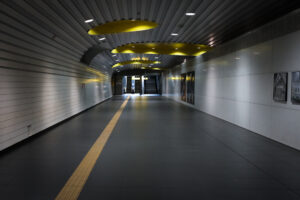
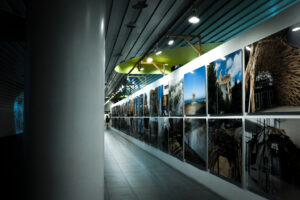
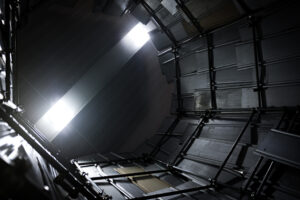
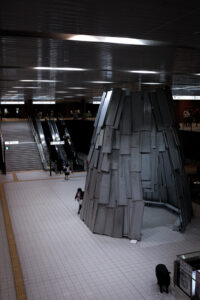
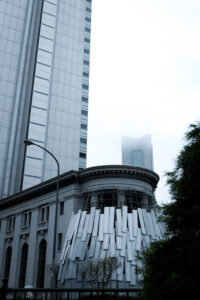
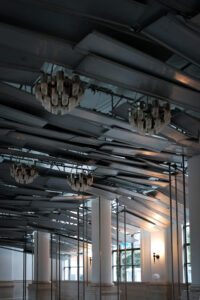
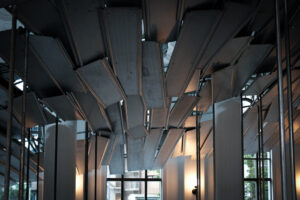
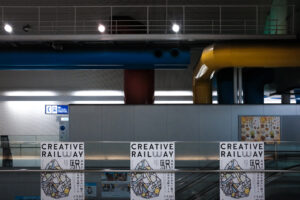
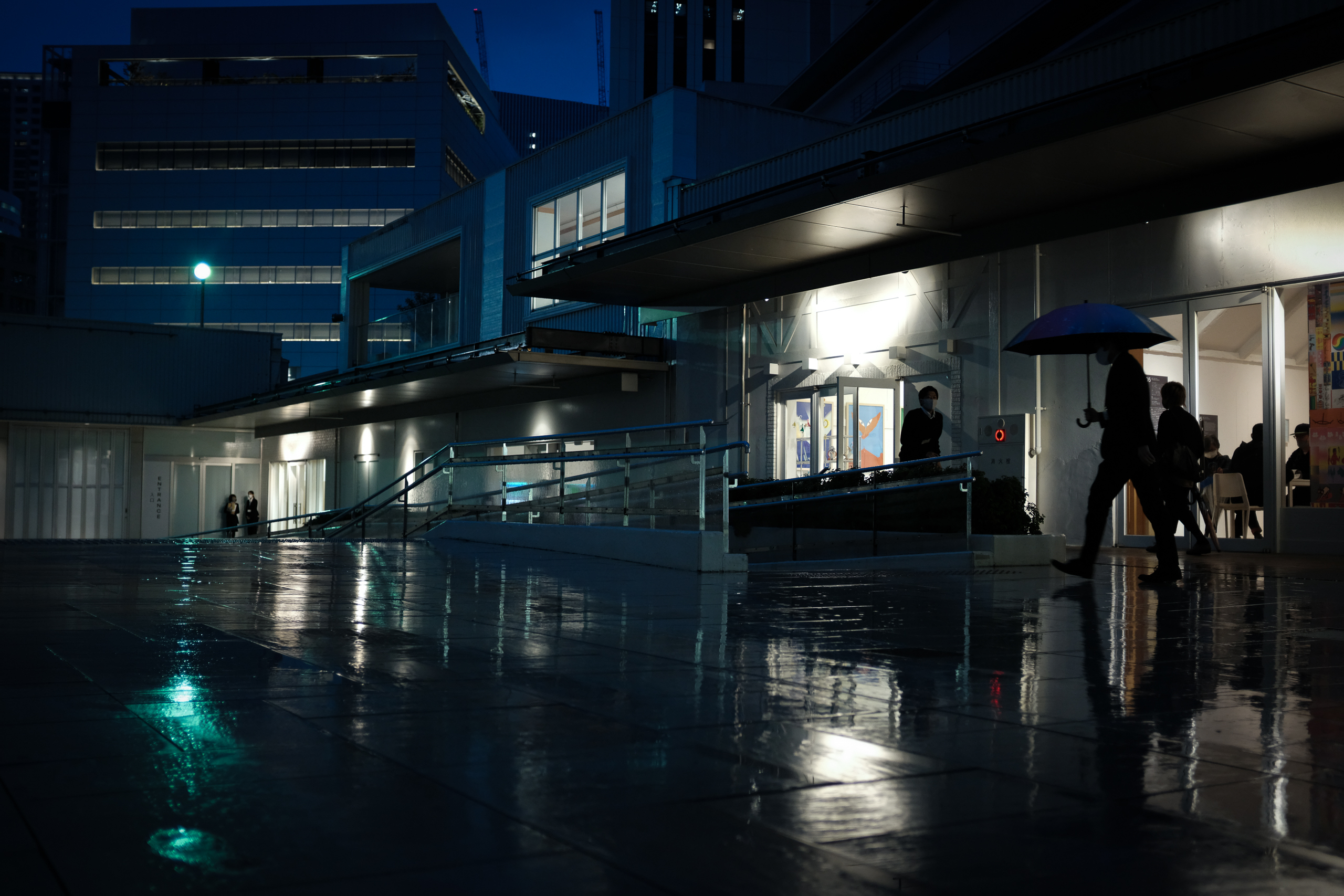
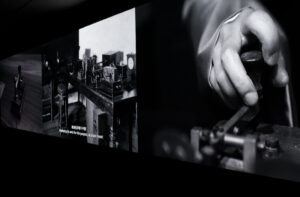
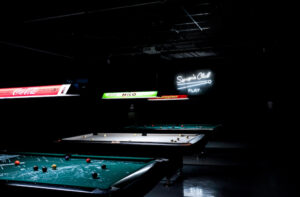
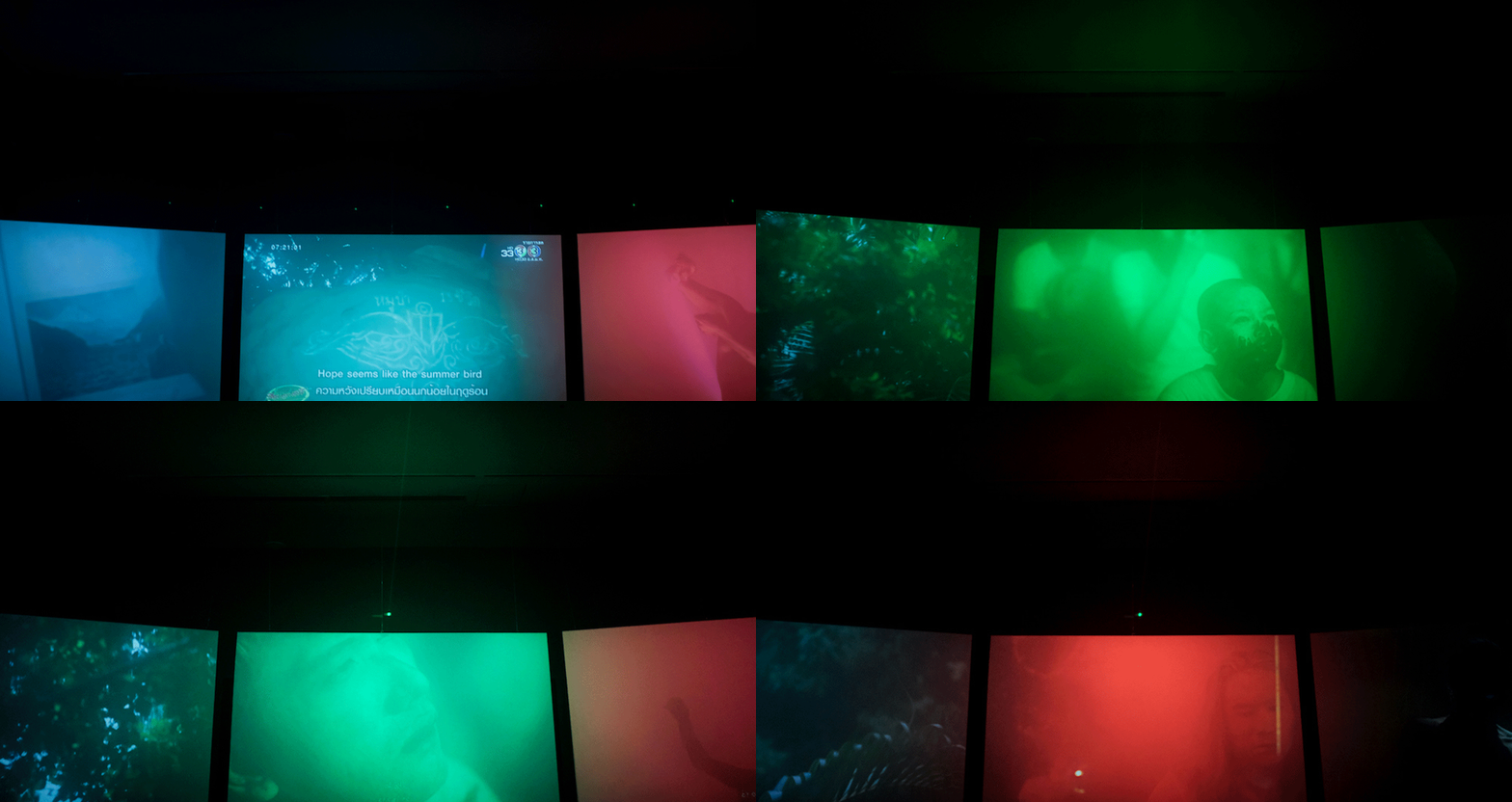
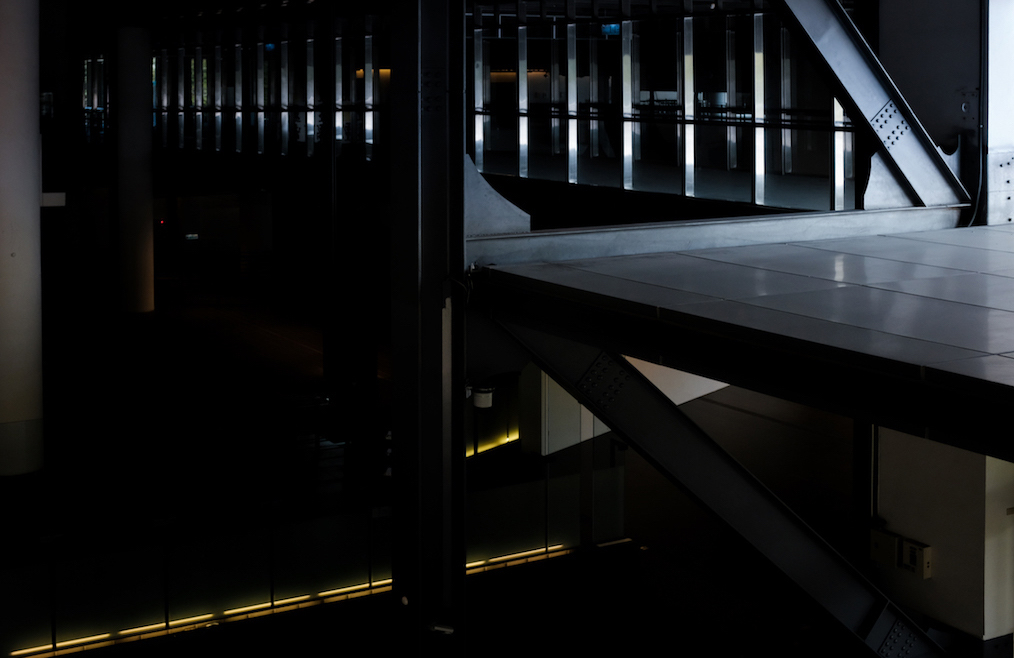
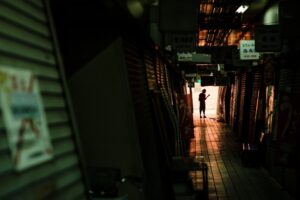
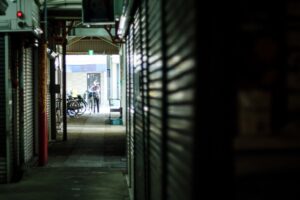
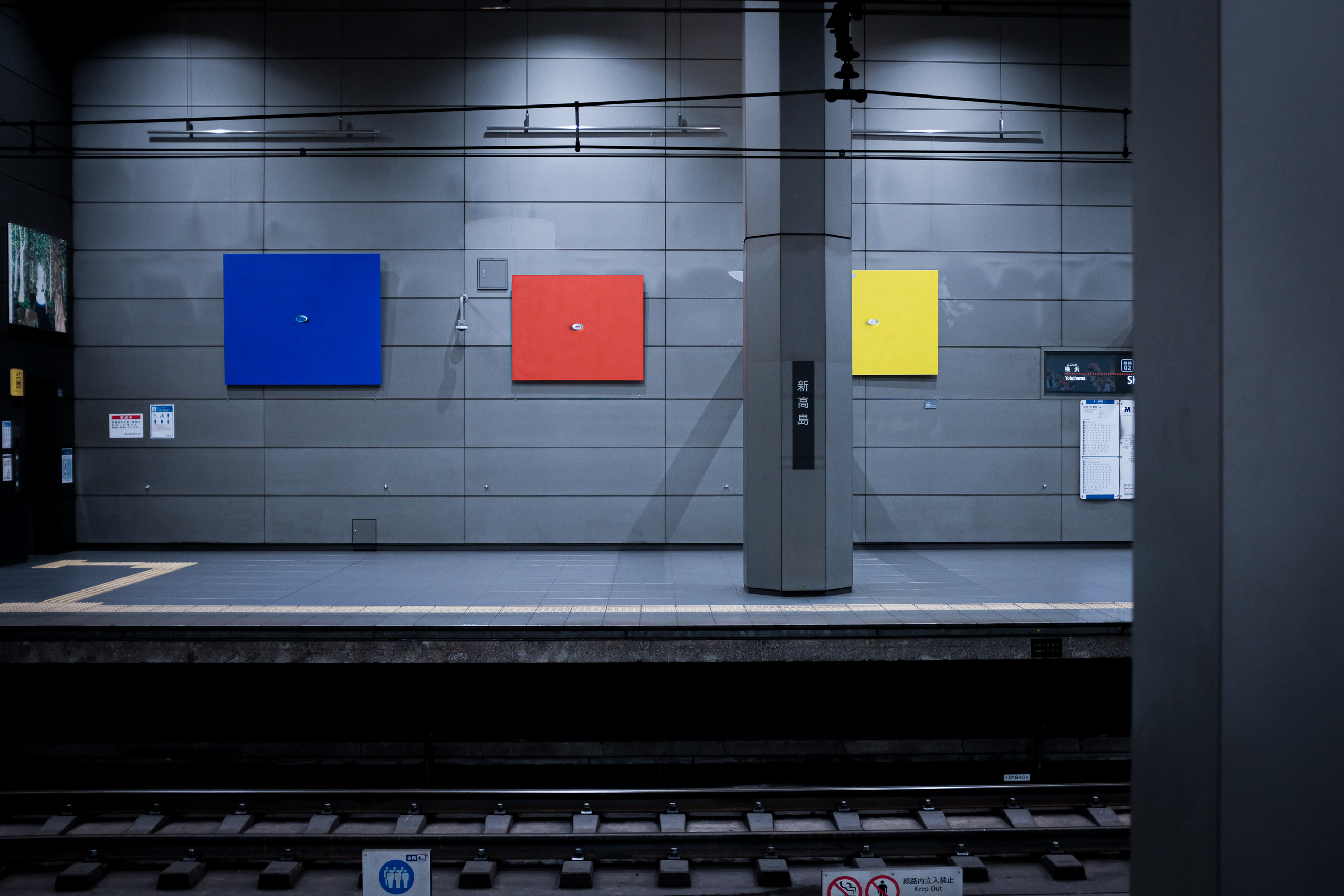
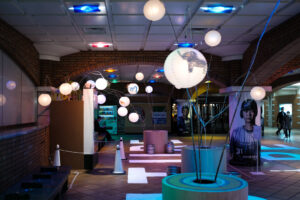
    We would like to present to you a series of photographs documenting Creative Railway, a special project held in conjunction with Yokohama Triennale 2020, launched in late September and concluding on the same day as the Triennale. The project was an attempt to transform the Minatomirai metro line and its surrounding neighbourhoods, not only demonstrating how art can reinvigorate the cityscape, but also exploring the possibilities of future commuting for both citizens and travellers.

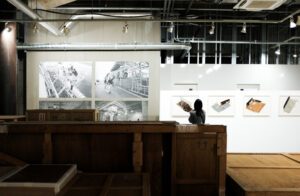
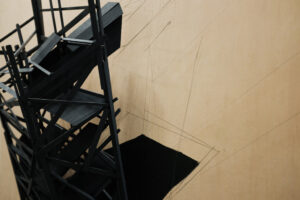
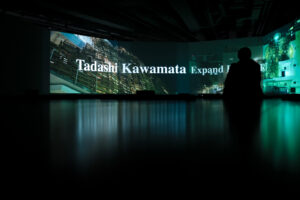
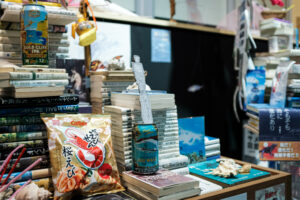
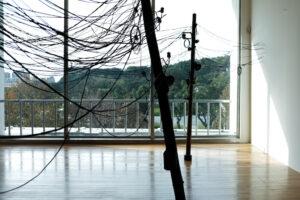
    The metro line was set in motion in 2004 and runs from Yokohama Station to Yokohama Chinatown. Each station building was infused with a different concept designed to reflect the rich history and vibrant characters of the city of Yokohama. At Shin-Takashima Station, designed around the motifs of “sea” and “future,” one could also find BankART Station, a cultural centre bringing together a gallery space, bookshop, and café. During the same period, it exhibited works by the Japanese artist Tadashi Kawamata1. Further south at Bashamichi Station, visitors could also encounter BankART Temporary, a space housed inside a historical bank building constructed in 1929 and repurposed into a contemporary art venue — another example of how the old fuses with the new, joining past and future.

    Regardless of where you live, the metro has probably become an indispensable part of everyday life. Because it has always been there, it has almost become invisible, taken for granted. Most train rides are probably boring and mundane to many commuters, and on some days, you are considered lucky if you can even find a seat, or even space to breathe inside the carriage. For many, this transportation system is merely another form of transportation. A project like Creative Railway exists to inspire, presenting commuters with a different perspective by staging cheerful scenarios within an environment we have grown insensitive to. It invites you to look again, hoping your rides become more than just a means of getting from one destination to another. At the same time, it presents itself as a reminder that beneath this tangled network, we are all, in fact, intimately and intricately connected.


  • Yokohama Triennale 2020: Afterglow — Chapter 2 | PLOT 48

    Yokohama Triennale 2020: Afterglow — Chapter 2 | PLOT 48

    We would like to present to you the second part of a series of photographs documenting the Yokohama Triennale 2020, titled Afterglow.

    This part of the series focuses on the Triennale’s satellite venue, PLOT 48.


  • Brightness, Will Tell You | Lights Gallery

    Brightness, Will Tell You | Lights Gallery

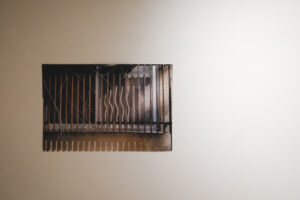
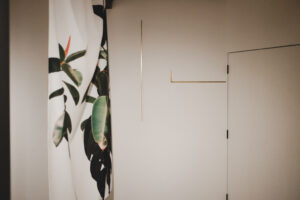
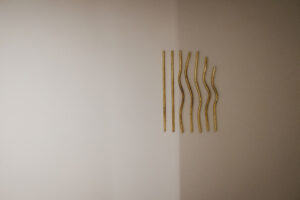
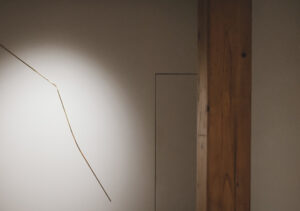
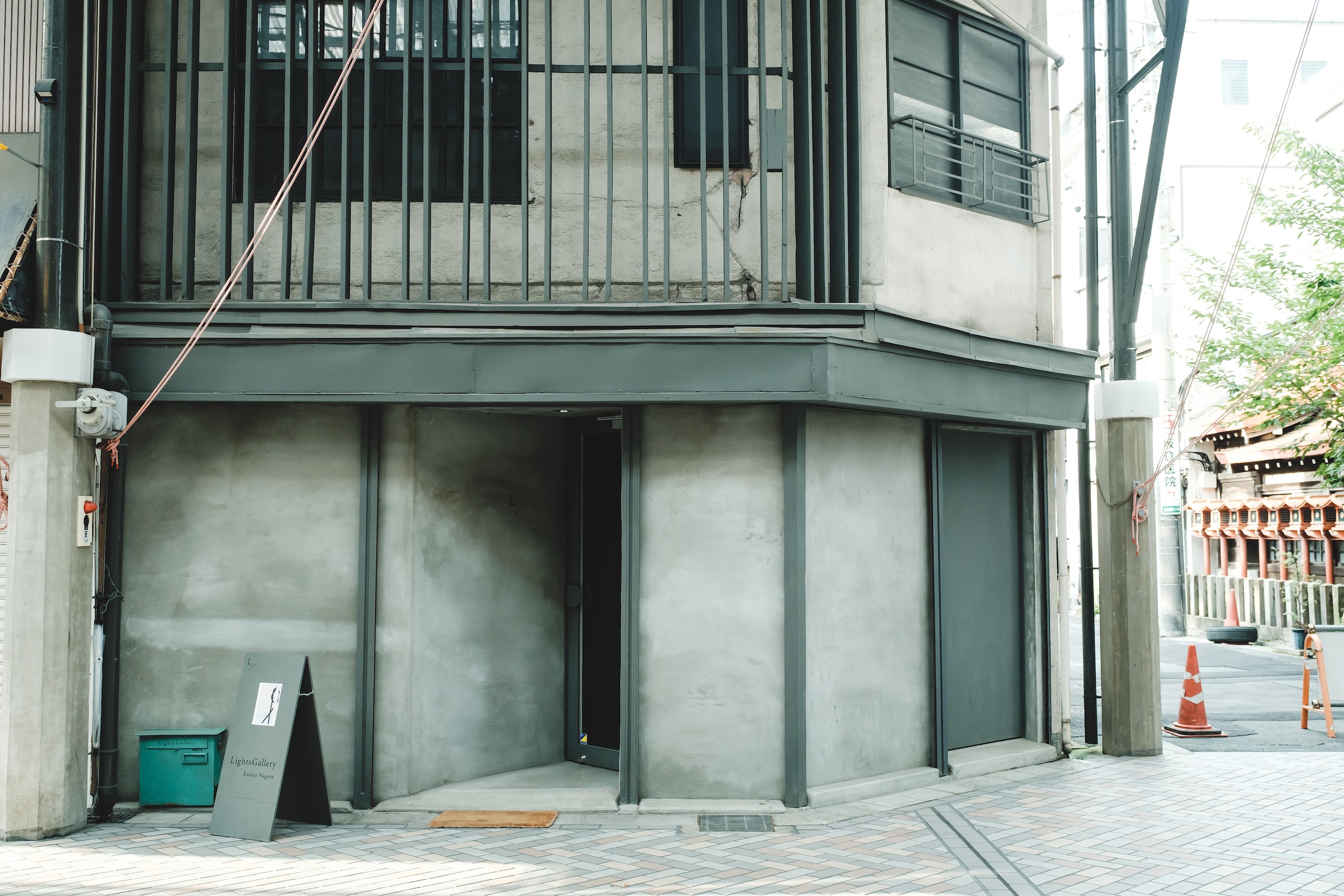
    We would like to present to you a series of photographic documentation recapping an exhibition titled Brightness, Will Tell You, featuring Ishida Koharu (石田小榛), presented by Lights Gallery during the autumn of 2020.

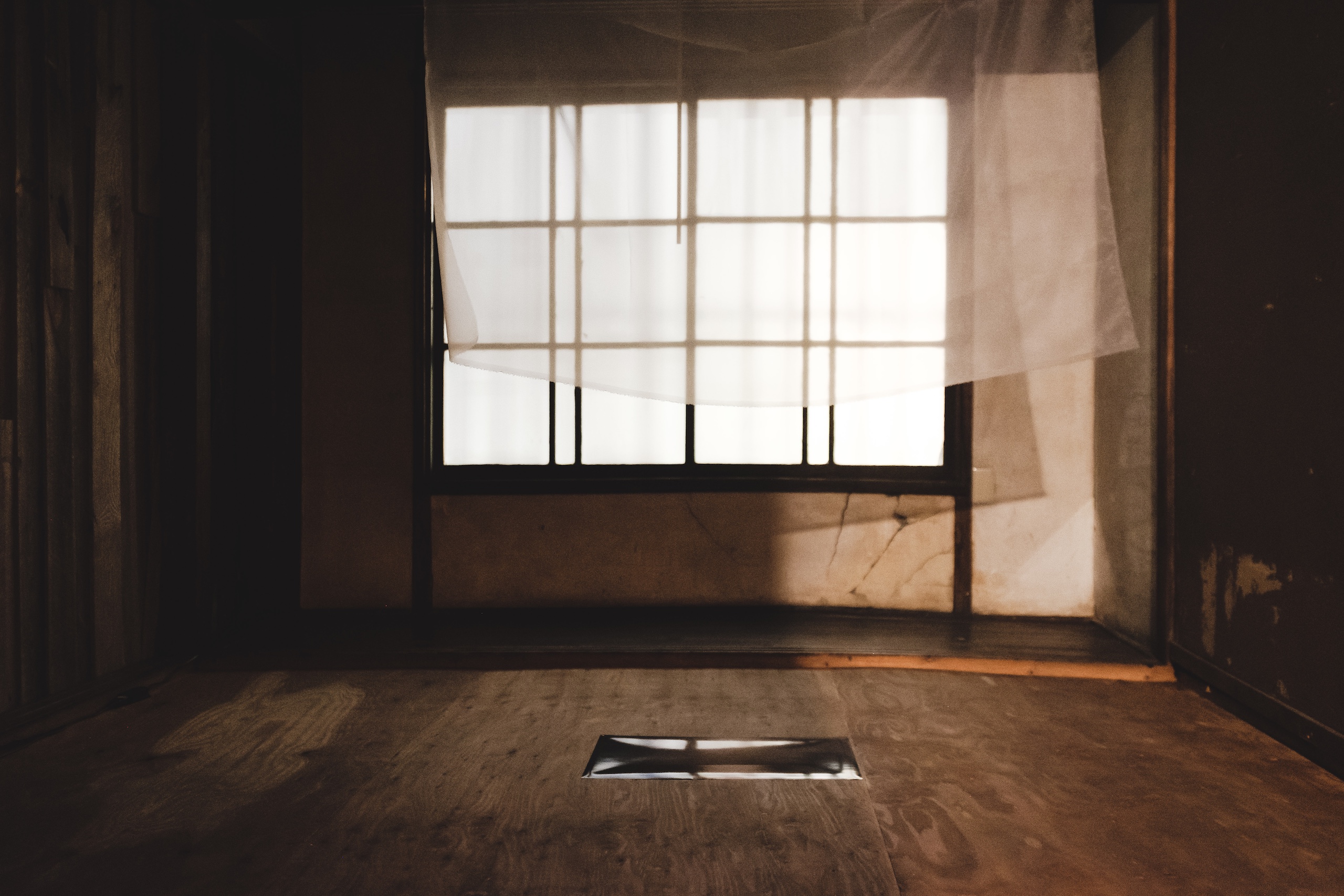
    Opened in 2016 in Endoji (円頓寺), Nagoya, the gallery was founded and directed by Yukari Suzuki (鈴木由香里). Converted from an old Shōwa-era house that once operated as a sweets shop along the shopping arcade, the space reflects Suzuki’s years of experience and training in interior design. With a focus on photography, installations, and craft works by local artists, the gallery is designed to allow objects to interact with light and shadow in quiet equilibrium. Within the space, visitors experience an ongoing dialogue between the exhibited works and the collision of these two forces.

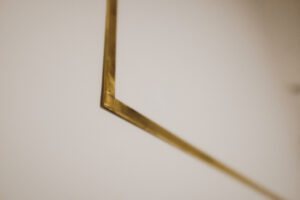
    Born in Hyogo in 1995, Ishida Koharu photographs casual everyday scenes frequently overlooked by passersby, be it architecture or plants. The artist constructs and preserves randomness by extracting elements and shapes from ordinary moments and daily mundanity, transforming them into tangible and structural objects using materials such as brass and cloth. Through this process, Ishida invites viewers to take a closer look at the things they encounter every day.


  • A∩B | Lights Gallery

    A∩B | Lights Gallery

    We would like to present to you a series of photographic documentation recapping an exhibition titled A∩B, featuring Ayano Mori (森綾乃) and Kōki Matsushima (松島康貴), presented by Lights Gallery during the summer of 2020.

    Ayano Mori was born in Ōsaka in 1990. Having majored in oil painting during her university years, she has actively participated in domestic group exhibitions and international art fairs since graduation, as well as holding solo exhibitions in Tokyo and Ōsaka. Born in Mie Prefecture in 1992, Kōki Matsushima graduated from Ōsaka Designer’s College in 2013, majoring in product design. Having won numerous awards throughout the years, Matsushima was granted the opportunity to work on the Lexus New Takumi Project and subsequently took part in the Takumi Japan exhibition launched in 2020, Hyakka Ryoran / 百花繚乱, loosely translated as “the blossom of a hundred flowers.”

    Lights Gallery opened in 2016 in Endoji (円頓寺), Nagoya, and was founded and directed by Yukari Suzuki (鈴木由香里). The exhibition was intriguingly titled A∩B, where the symbol “∩” is not something one would often come across in the art and design sector, must admit that I had to look it up, and my memory of mathematics was assuredly jogged.
    In preference to a straightforward but dull “and”, that mathematical symbol certainly added another interesting layer to the experience of viewing the exhibition. By now, you have probably guessed it, the meaning behind the symbol falls along the lines of “intersection” — the location of a common denominator where the two parties meet.

    Instead of a regular presentation of fine art and craft objects, the exhibition dwells on the connections drawn between the works created by the two artists, whilst also allowing them to interact with the light and shadow within the space. It reaches beyond stereotypical impressions of male and female, reasoning and intuition, exhibiting a possible void of existence between invisibility and omnipresence.


  • Ho Chi Minh: The Opaque | Sàn Art

    Ho Chi Minh: The Opaque | Sàn Art

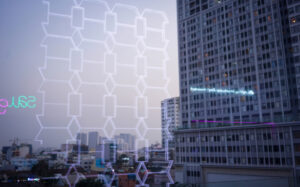
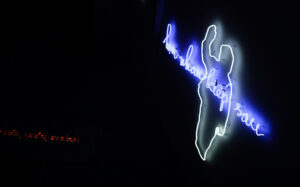
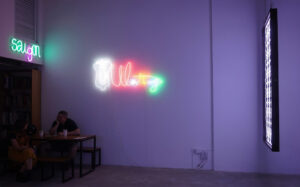
    We would like to present a series of photographic documentation alongside a statement written by co-curator Nguyễn Hoàng Quyên.

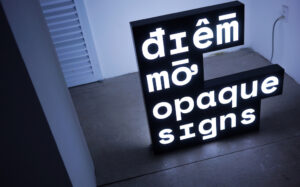
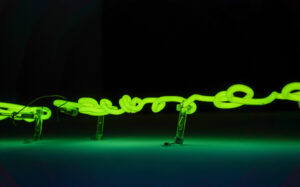
    Opaque Signs was a group exhibition centred on the concept of “light” — a reminder of the transience of all things, as well as of our contemporary condition.

    The exhibition took place near the end of 2019 at Sàn Art, a non-profit, artist-initiated platform located inside a residential building in Ho Chi Minh City, Vietnam. It presented works by nine artists: Ly Hoàng Ly, Trương Công Tùng, Dinh Q. Lê, Orawan Arunrak, Nguyễn Kim Tố Lan, Phan Thảo Nguyên, Nguyễn Phương Linh, Richard Streitmatter-Trần, and ƯuĐàm Trần Nguyễn.


    “… Though diverse in terms of forms, concepts and references, these gifts share a material element of luminosity. As store signs made of neon and LED lights proliferate across Vietnamese cities, light becomes a default symbol of pervasive commerce,
    of sleepless advertisement, of a permanent ‘on’ mode of being, perennially open to transaction.

    Radiance reaches further back into our modern obsession with sight. The rhetoric of illumination and clarity has long supported the human desire to see, to discover, to champion objectivity and reason, to extend the project of enlightenment, to expose zones of darkness,
    to rectify ravines of unreason.

    Away from its associations with civilization, technocracy and global hyperconsumerism, the dazzle of modern light could be regarded alongside its dialectical opposite-the realm of the unexposed, the undisclosed, the self-veiled. Otherworlds of opacity and indefinability,
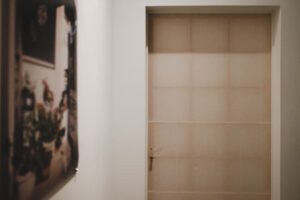
    with traces of unofficial histories and private observations, are activated around the blithe shine of the artworks. Across the gallery, presence and concealment fuse, glowing into a world of their own, where shadows tease and tempt, while relentlessly refusing, silver interpretation.”


  • Ho Chi Minh: Singing to the Choir? | The Factory

    Ho Chi Minh: Singing to the Choir? | The Factory

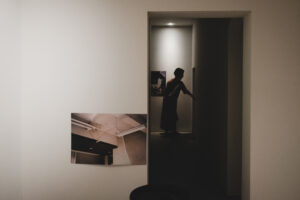
    We would like to present a series of photographs documenting the exhibition Singing to the Choir? at The Factory Contemporary Arts Centre in the city of Ho Chi Minh, Vietnam, curated by Zoe Butt and Bill Nguyễn. Housed in an apparently abandoned factory or warehouse in an up-and-coming part of town, embraced by the Saigon River. The space felt less like an industrial site but more like a factory for brewing ideas. The exhibition concluded in January 2020 and presented works from three emerging Vietnamese contemporary artists: Ngọc Nâu, Phan, and Trần Minh Đức.
    We are all familiar with the phrase “singing to the choir”, the question mark at the end of the exhibition title, however, introduced a paradox and suggested another layer of connotation. Does the subject genuinely believe what he or she is singing because the choir already appears convinced, or are they merely performing belief?

    “Religion is the sigh of the oppressed creature, the heart of a heartless world, and the soul of soulless conditions. It is the opium of the people.” This statement, written by Karl Marx in the introduction to A Contribution to the Critique of Hegel’s Philosophy of Right, published in 1844, was quoted in the exhibition, and its ideas permeated the works throughout. The artists challenged notions of self-worth and social order, examining the relationship between reality and illusion, reminding us of lost and erased memories.


  • Juxtaposition — Chapter 2 | Taipei Fine Arts Museum

    Juxtaposition — Chapter 2 | Taipei Fine Arts Museum

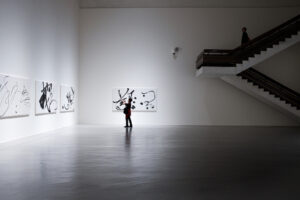
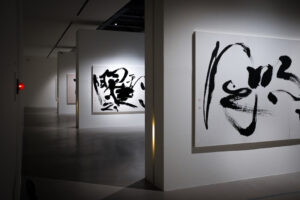
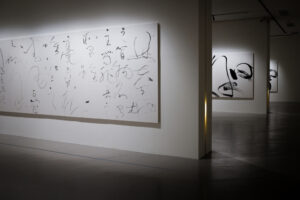
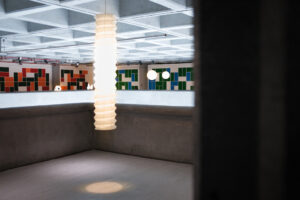
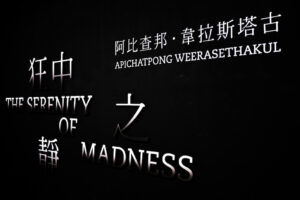
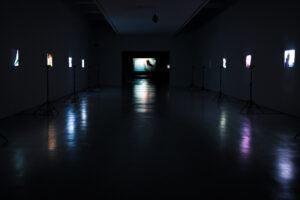
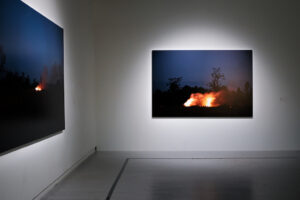
    We would like to present to you the second part of a series of documentation juxtaposing photographs taken from three exhibitions hosted by Taipei Fine Arts Museum in early 2020, namely Moving Ink featuring Tong Yang Tze (董陽孜); The Serenity of Madness / 狂中之静 featuring Apichatpong Weerasethakul, curated by Gridthiya Gaweewong and produced by Independent Curators International (ICI); as well as Island Tales: Taiwan and Australia / 小說: 雙城計劃 curated by Chien Cheng-yi (簡正怡).

    The visual documentation is divided into two chapters, and the photographs are not presented in any particular order of importance. For the first chapter of the series, please follow the link.


  • 2019 Asian Art Biennial: The Strangers from beyond the Mountain and the Sea — Chapter 2 | National Taiwan Museum of Fine Arts

    2019 Asian Art Biennial: The Strangers from beyond the Mountain and the Sea — Chapter 2 | National Taiwan Museum of Fine Arts

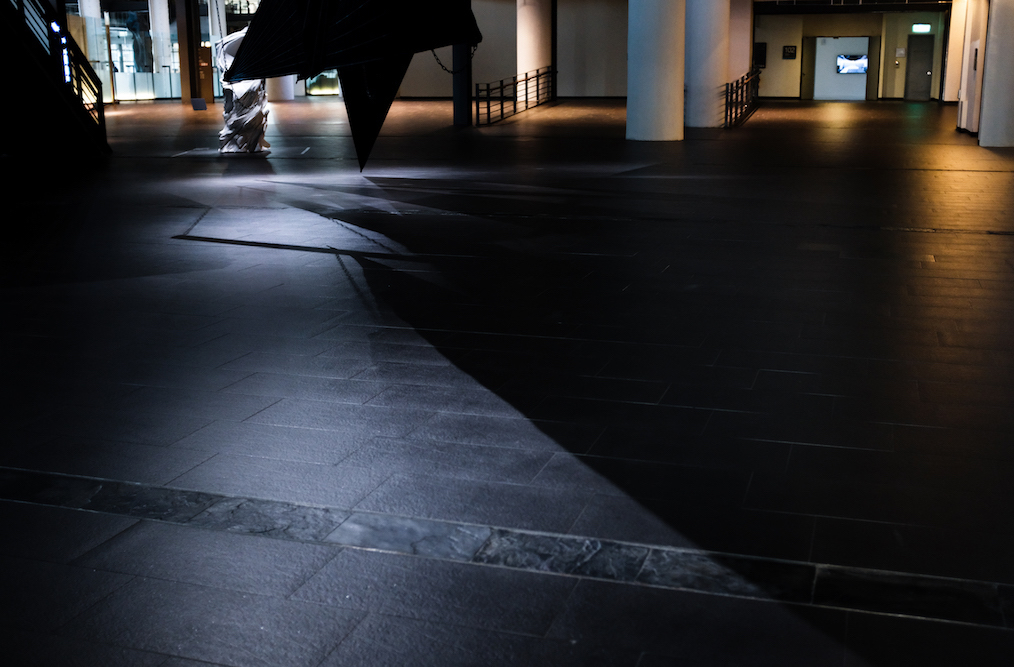
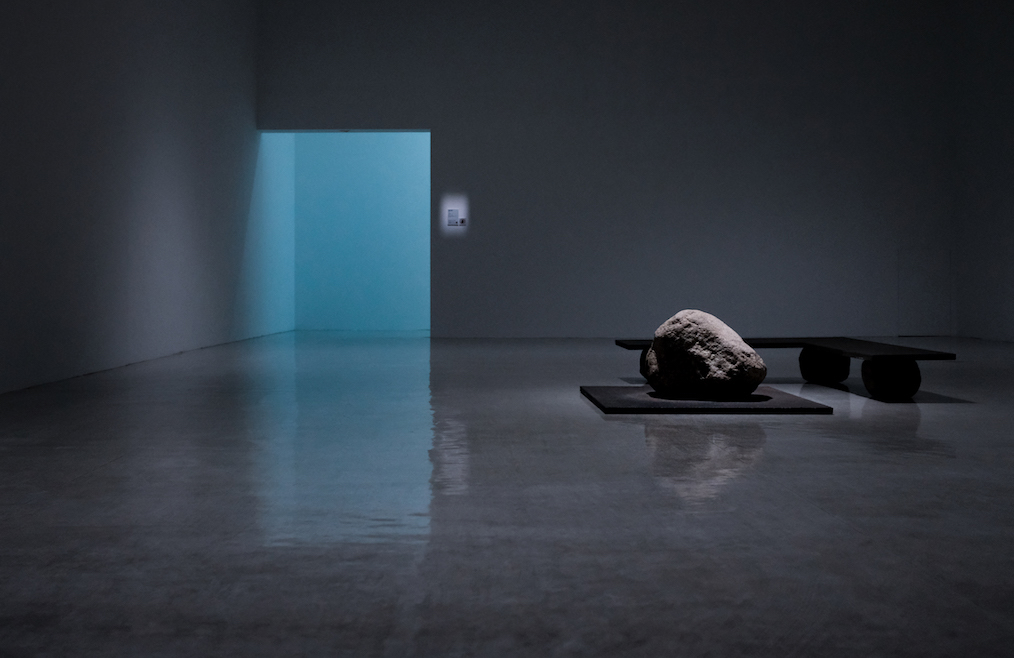
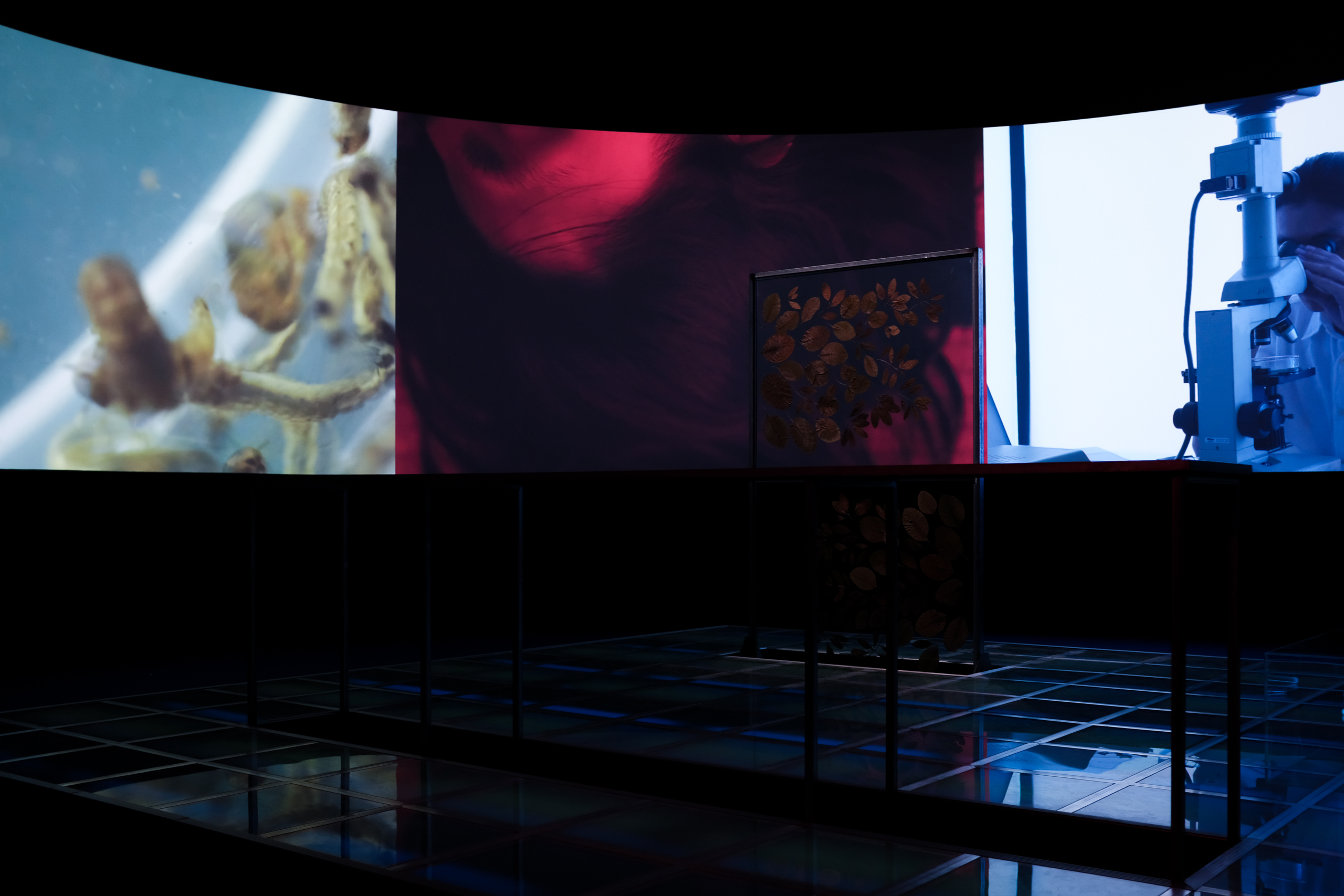
    We would like to present the second chapter of a visual documentation of the 2019 Asian Art Biennial, The Strangers from beyond the Mountain and the Sea / 來自山與海的異人, which took place at the National Taiwan Museum of Fine Arts in Taichung, Taiwan.

    Please follow the link for the first chapter of the series.


  • 2019 Asian Art Biennial: The Strangers from beyond the Mountain and the Sea — Chapter 1 | National Taiwan Museum of Fine Arts

    2019 Asian Art Biennial: The Strangers from beyond the Mountain and the Sea — Chapter 1 | National Taiwan Museum of Fine Arts

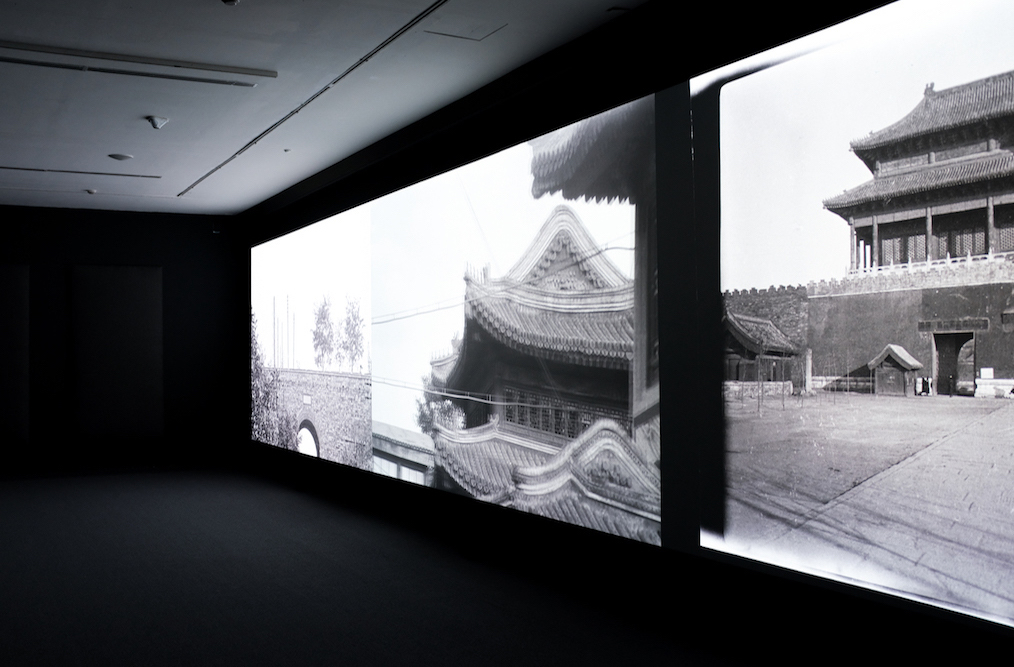
    Running into its 7th edition in 2019, last year’s Asian Art Biennial was hosted at the National Taiwan Museum of Fine Arts in Taichung, Taiwan, and co-curated by Ho Tzu-Nyen1 from Singapore and Hsu Chia-Wei2 from Taiwan.

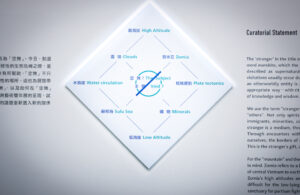
    When I was a kid, two of the many things about Taiwan that we were taught in school were Alishan and Sun Moon Lake. The Strangers from beyond the Mountain and the Sea / 來自山與海的異人, the title and location of the Biennial, seemed more like an intentional choice than a coincidence. The concept of the Biennial was deciphered with the help of an illustrative diagram by the curators, which was set out as the blueprint for the entire Biennial and, in itself, felt refreshingly new.

    In between the highs and the lows, the rocks and the clouds, the sea and the mountain, the water and the plate, enters the “void”. According to one of the curators, the “void” acts as an empty space, a mandala, as well as a centre point for humans, or “Strangers”, to creatively rethink the position they occupy within a greater system in a newer version of our world populated by many other objects, things, and beings, while addressing urgent political and ecological crises that the world, and especially Asia, is currently dealing with. We are presenting a two-part visual documentation of the Biennial, for the second chapter of the series, please follow the link.


  • TRANS-: The Forgotten — Chapter 3

    TRANS-: The Forgotten — Chapter 3

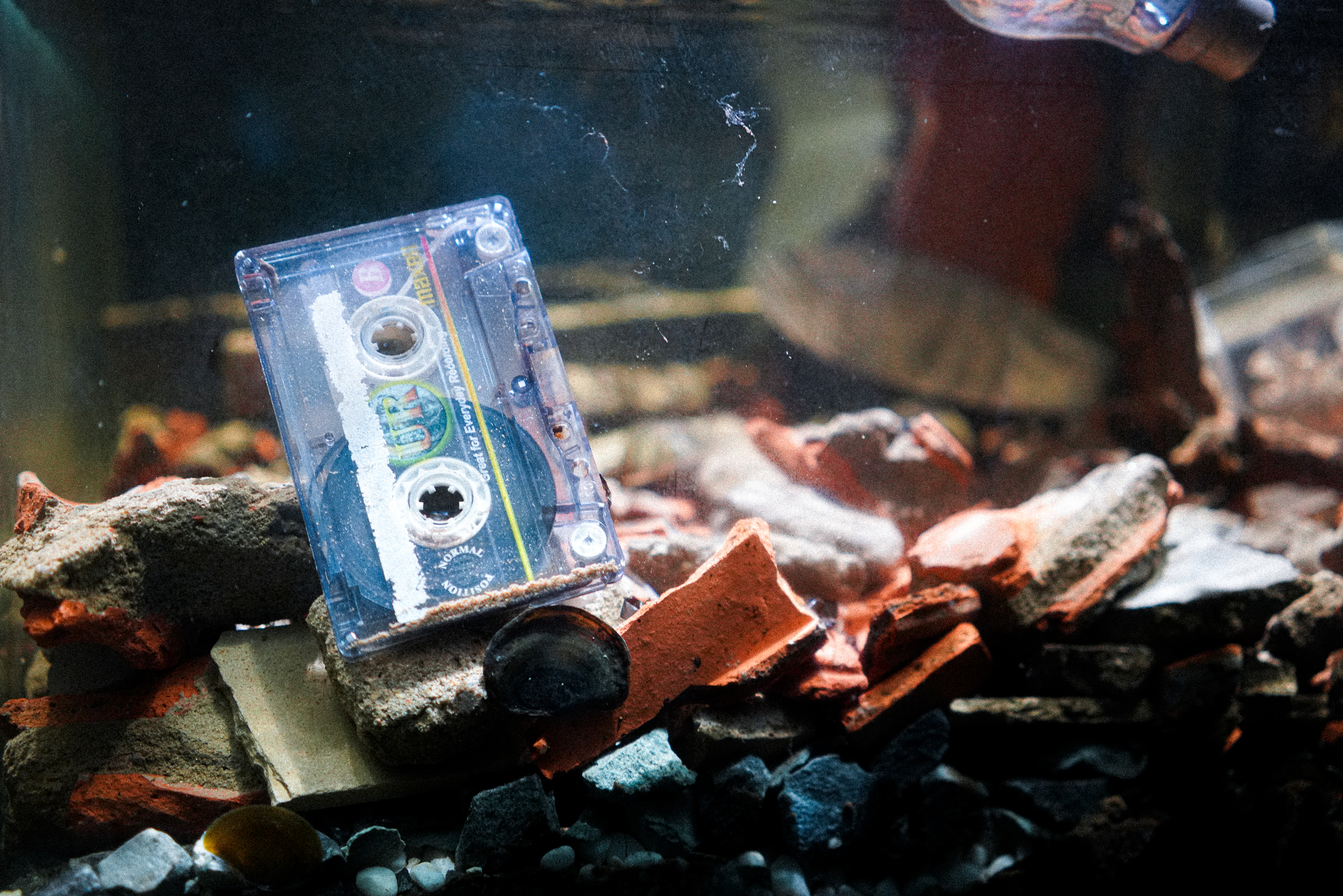
    We would like to present the third part of the photography essay centring on TRANS-, an art project that took place in Kobe, Japan, from September to November 2019.

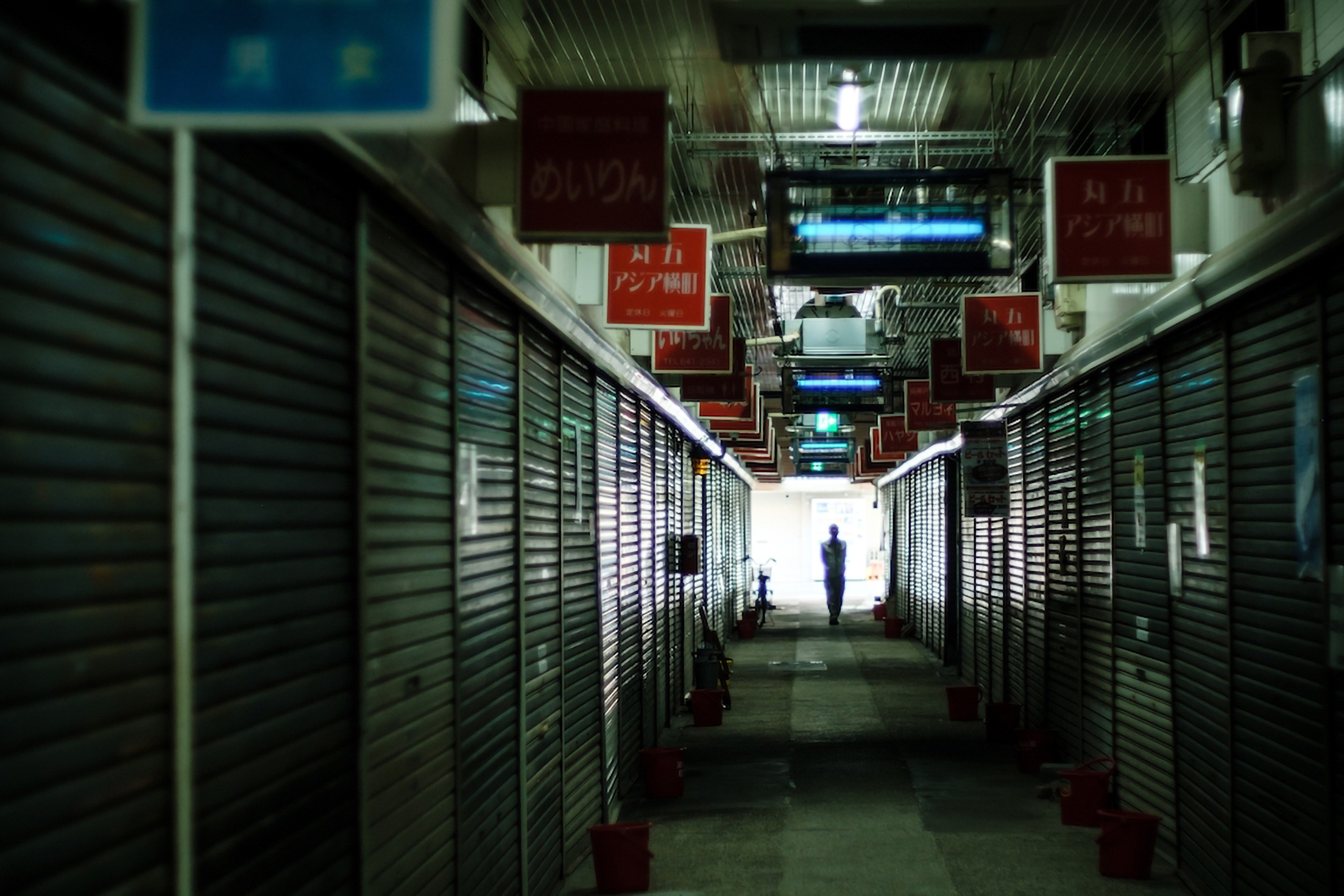
    Turning towards the forgotten, this chapter reflects on memory and the abandoned, as well as all the fading traces left behind by urban change.