Journal Category: Sightline

  • Aichi Triennale 2022: Still Alive — Chapter 4 | Ichinomiya

    Aichi Triennale 2022: Still Alive — Chapter 4 | Ichinomiya

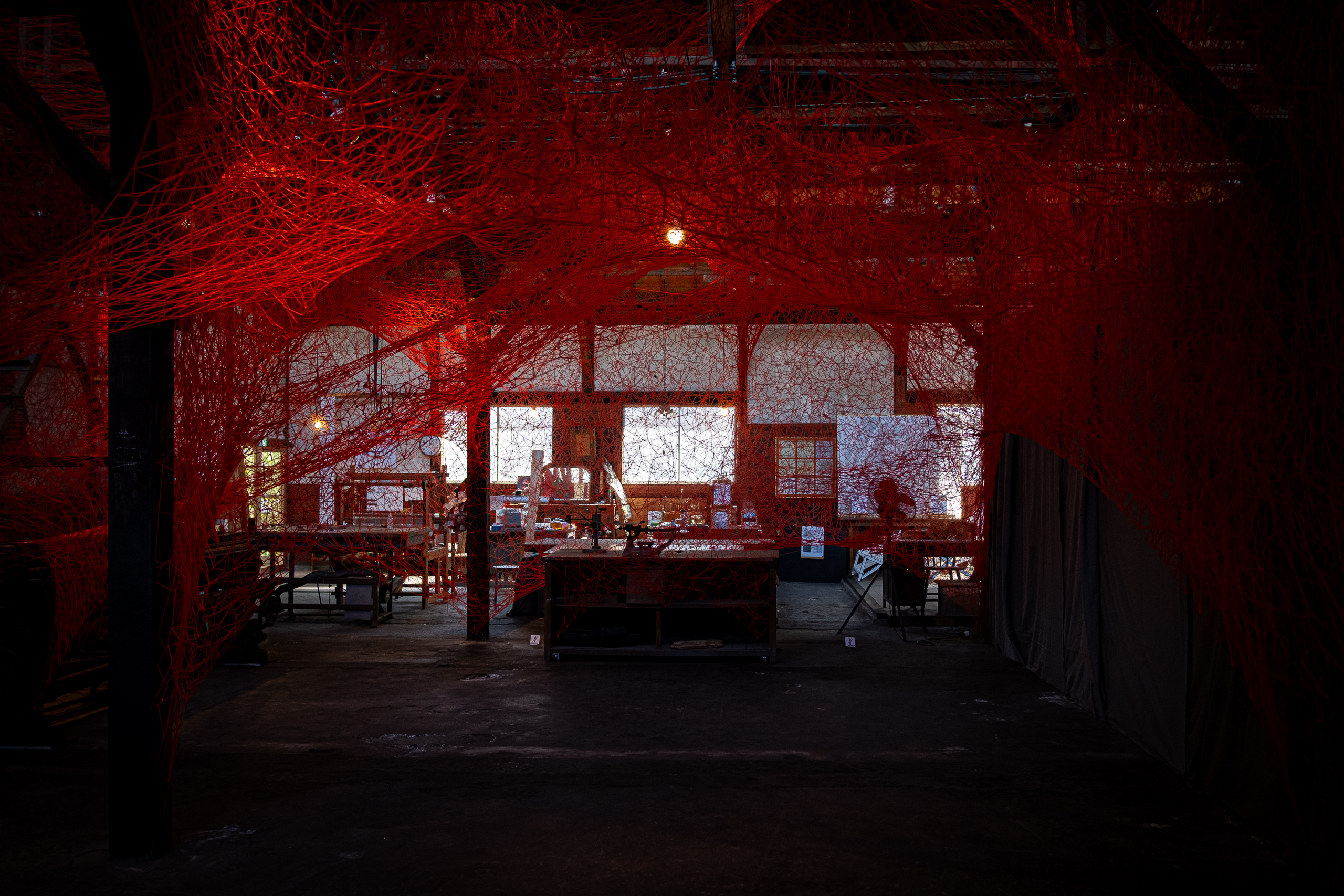
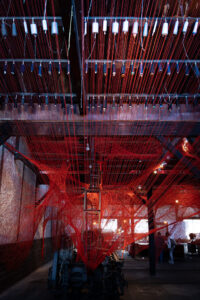
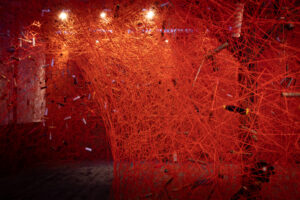
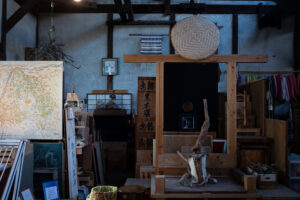
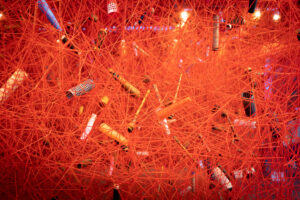
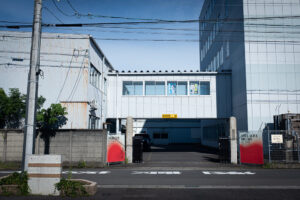
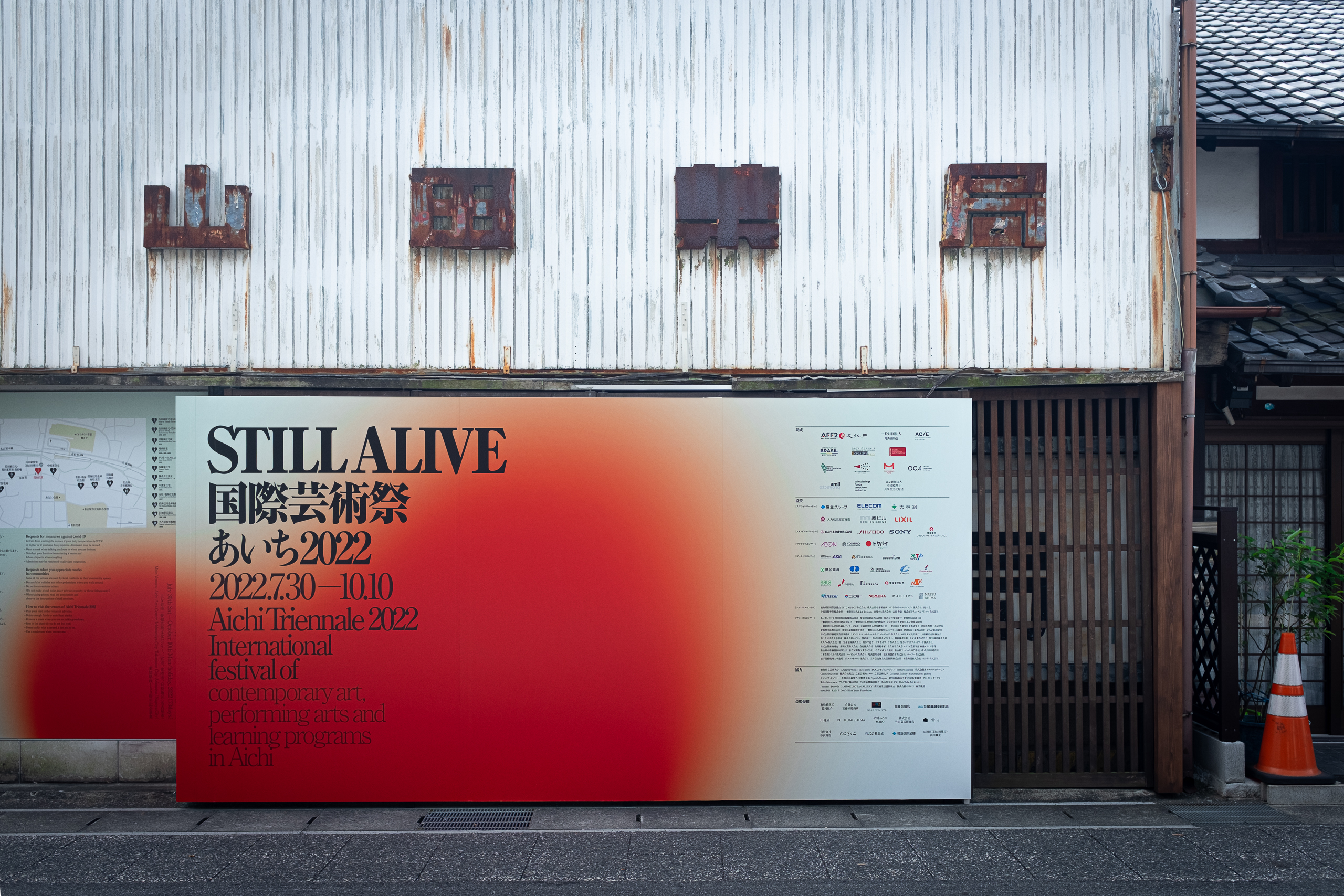
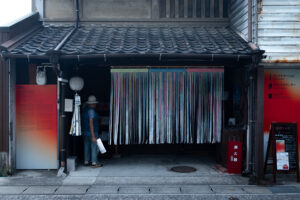
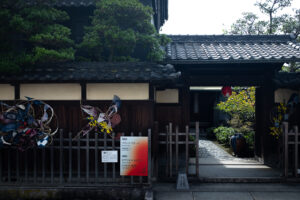
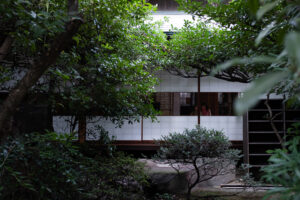
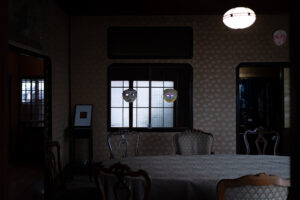
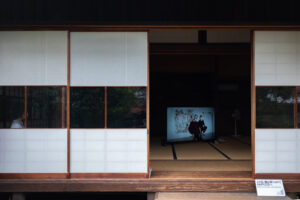
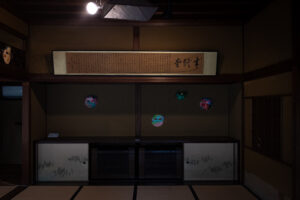
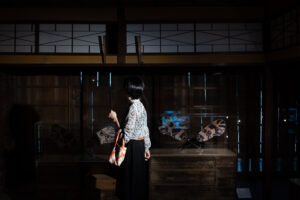
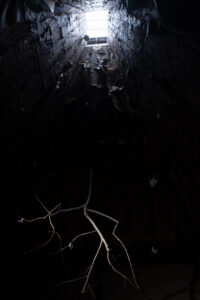
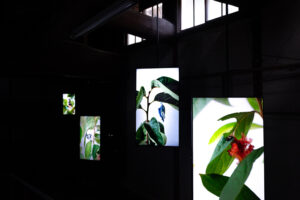
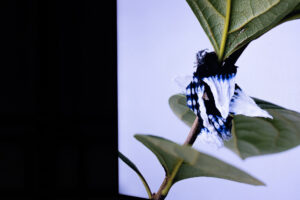
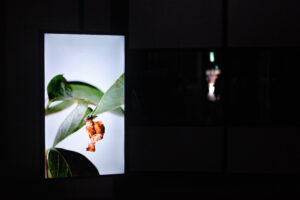
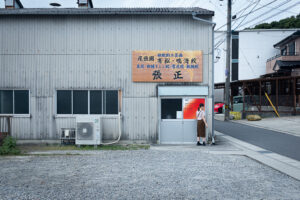
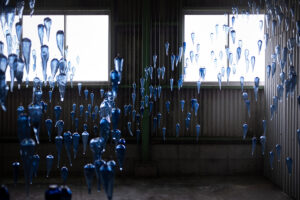
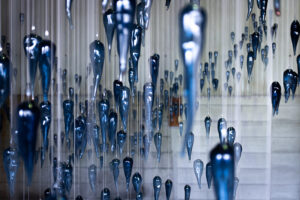
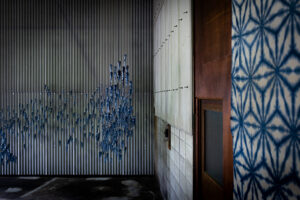
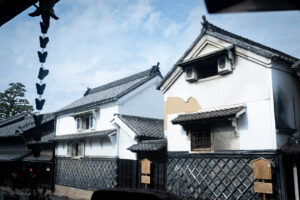
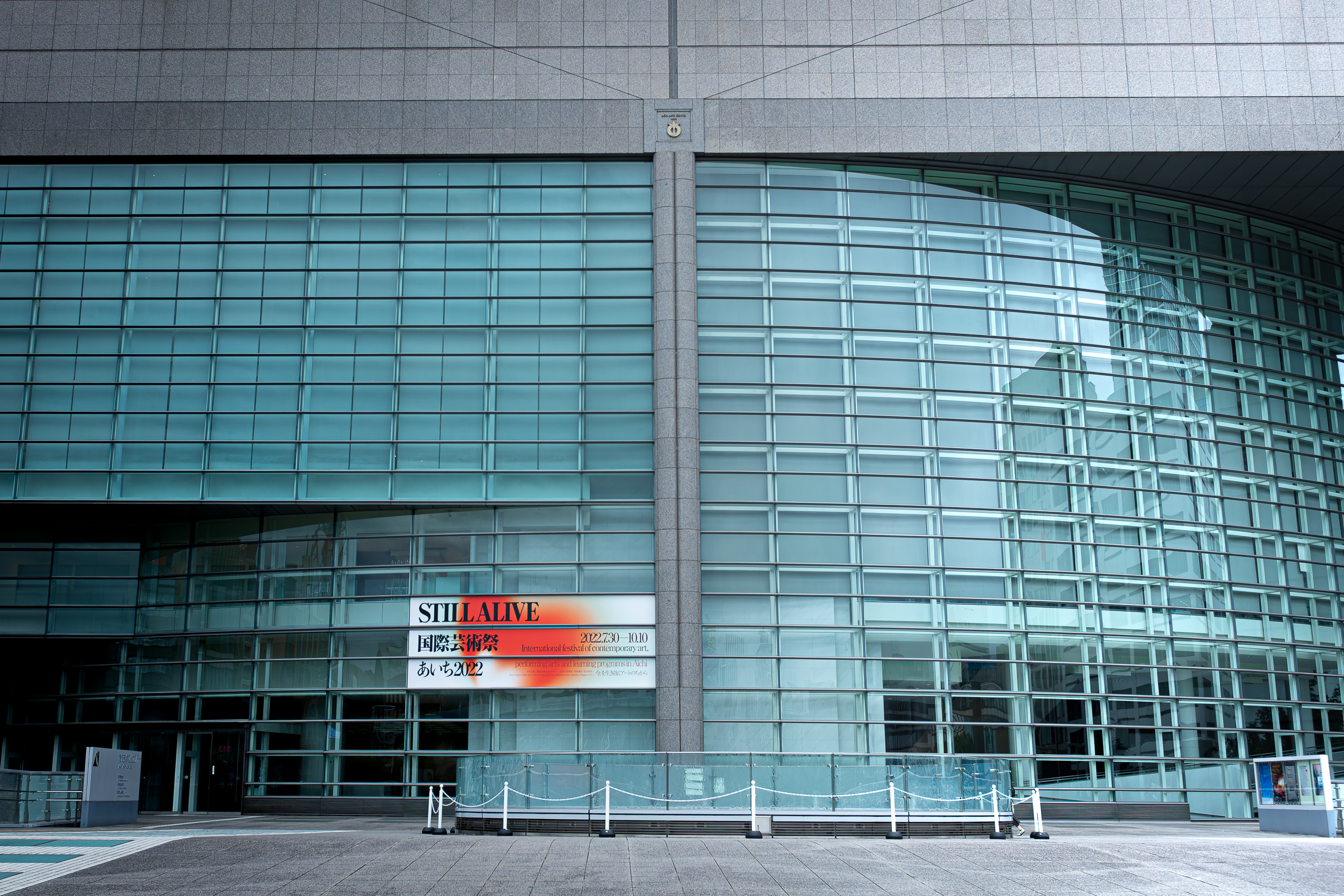
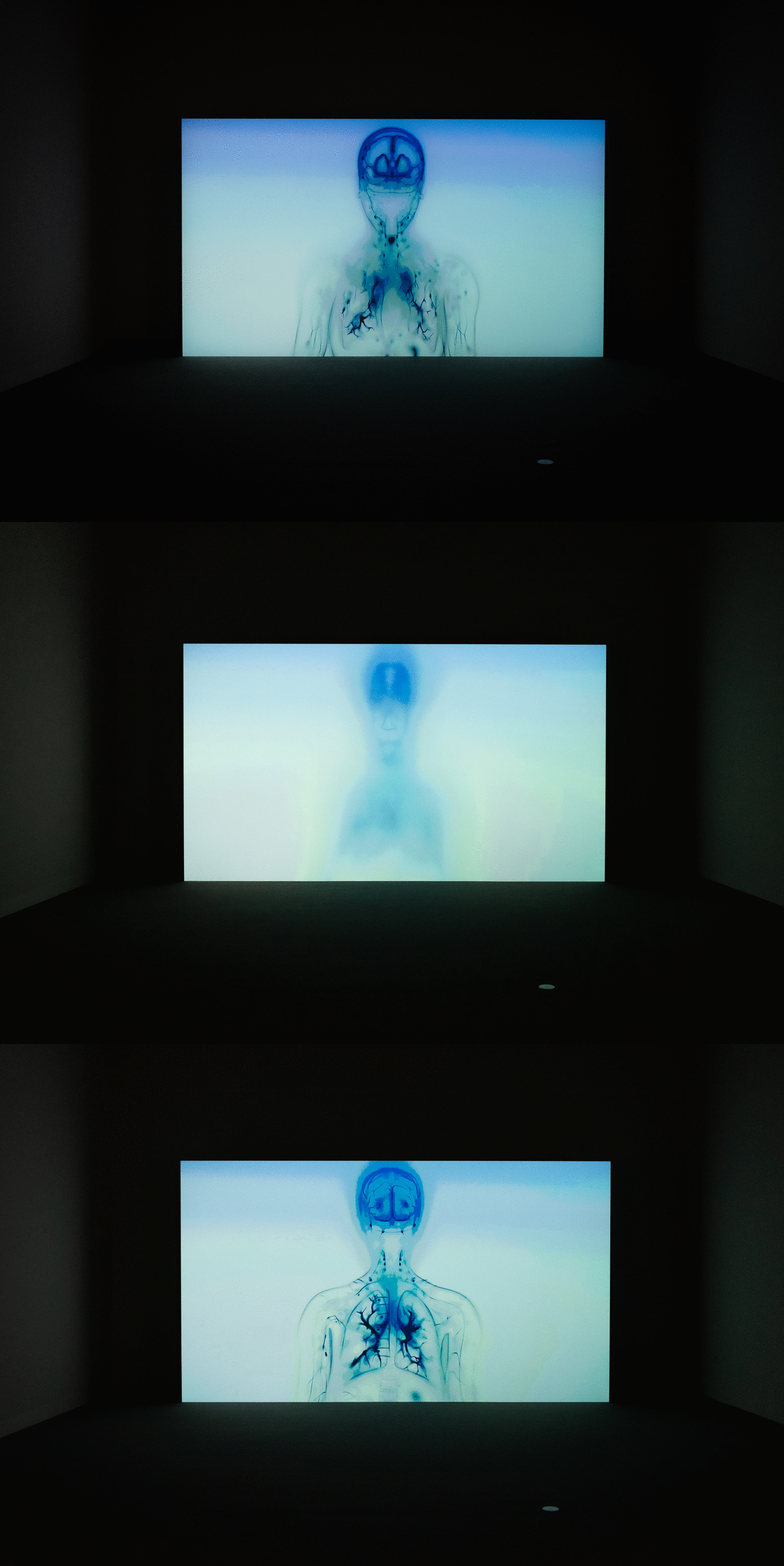
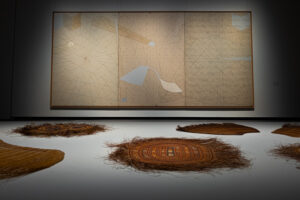
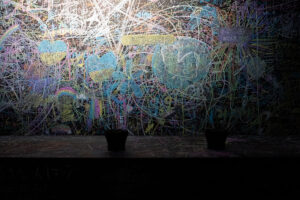
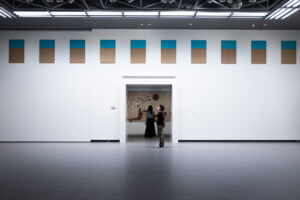
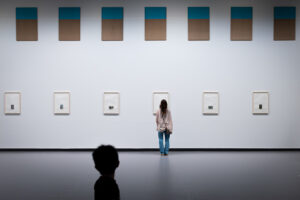
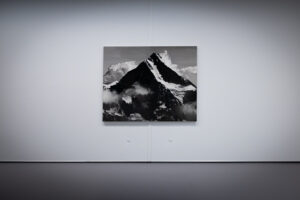
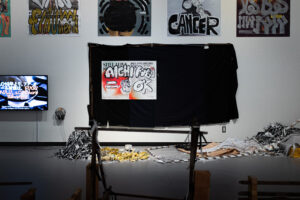
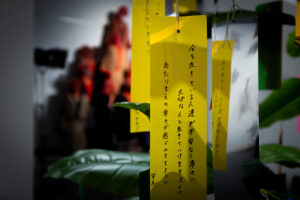
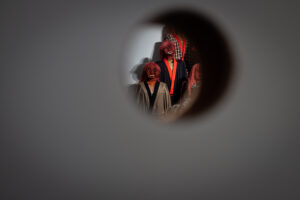
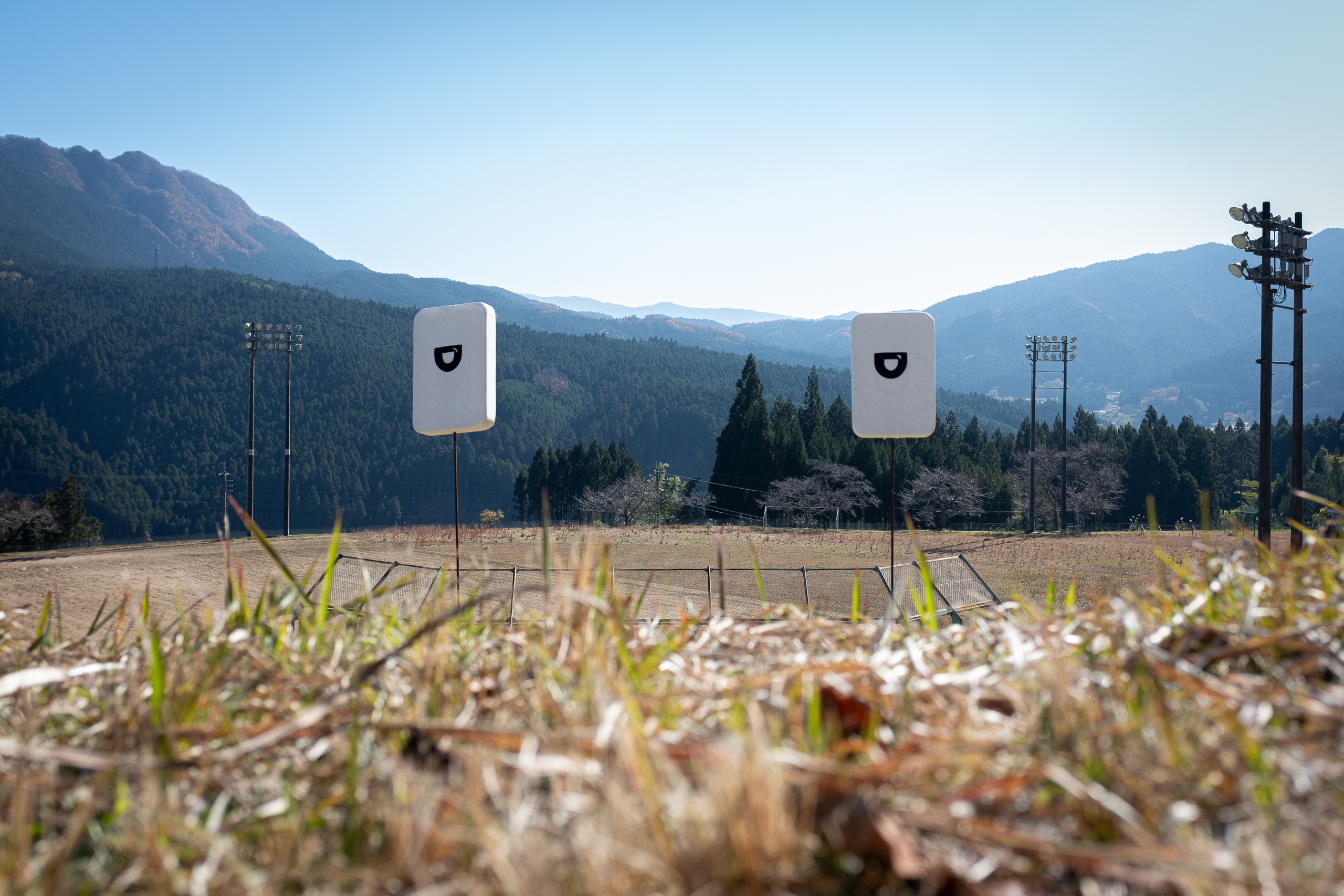
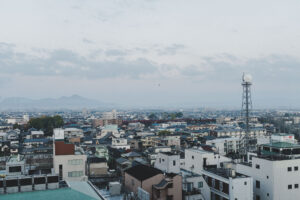
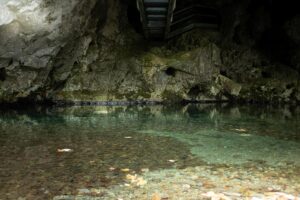
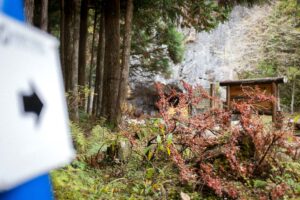
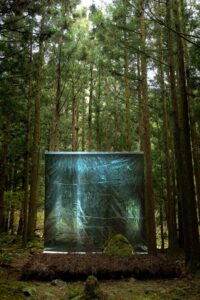
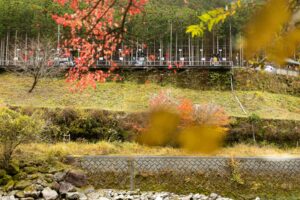
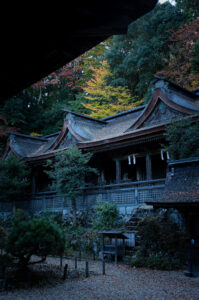
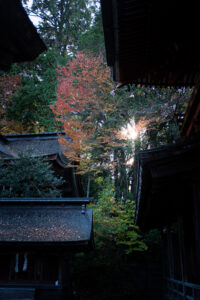
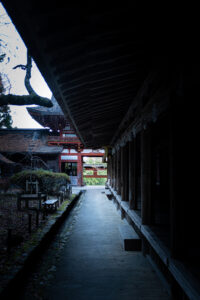
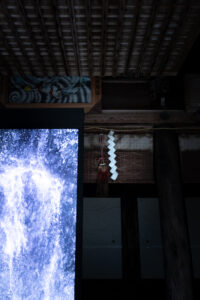
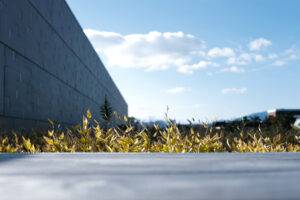
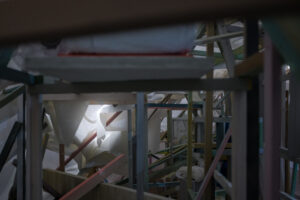
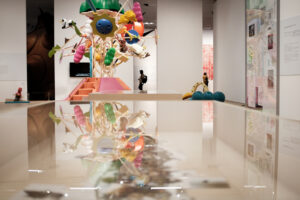
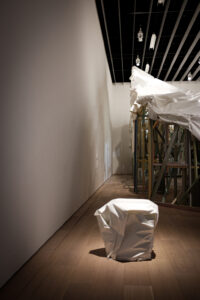
    We would like to present to you a series of photographic essays centred on Aichi Triennale 2022: Still Alive, which took place between August and October 2022 across various venues in the cities and towns of Aichi Prefecture, Japan, namely Arimatsu, Ichinomiya, Nagoya, and Tokoname.

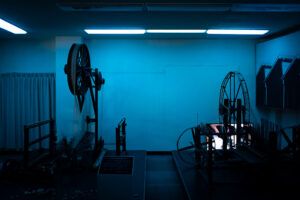
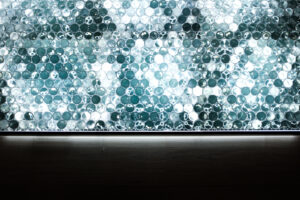
    Please find below the first part of the documentation focusing on the exhibitions in Ichinomiya. For the rest of the series, covering Arimatsu and Endoji, the Aichi Prefectural Museum of Art (Parts 1 & 2, with the former consisting of an introduction and review), Tokoname, as well as the second part of Ichinomiya, please follow the respective links.


  • Aichi Triennale 2022: Still Alive — Chapter 3 | Arimatsu + Endoji

    Aichi Triennale 2022: Still Alive — Chapter 3 | Arimatsu + Endoji

    We would like to present to you a series of photographic essays centred on Aichi Triennale 2022: Still Alive, which took place between August and October 2022 across various venues in the cities and towns of Aichi Prefecture, Japan, namely Arimatsu, Ichinomiya, Nagoya, and Tokoname.

    Please find below the documentation focusing on the exhibitions in Arimatsu and Endoji. For the rest of the series, covering Ichinomiya (Parts 1 & 2), the Aichi Prefectural Museum of Art (Parts 1 & 2, with the former consisting of an introduction and review), as well as Tokoname, please follow the respective links below.


  • Aichi Triennale 2022: Still Alive — Chapter 2  | Aichi Prefectural Museum of Art

    Aichi Triennale 2022: Still Alive — Chapter 2 | Aichi Prefectural Museum of Art

    We would like to present a series of photographic essays centred on Aichi Triennale 2022: Still Alive, which took place between August and October 2022 across various venues in the cities and towns of Aichi Prefecture, Japan, namely Arimatsu, Ichinomiya, Nagoya, and Tokoname.

    Please find below the second part of the documentation, focusing on the exhibitions at the Aichi Prefectural Museum of Art. For the rest of the series covering Arimatsu and Endoji, Ichinomiya (Parts 1 & 2), Tokoname, as well as the introduction and the first part on the museum, please follow the respective links.


  • Mind Trail: The Curious Lives — Chapter 5 | Soni

    Mind Trail: The Curious Lives — Chapter 5 | Soni

    We would like to present to you a photography essay centring on Mind Trail, divided into three chapters, each focusing on a different location in Nara Prefecture: Yoshino (吉野町), Tenkawa (天川村) and Soni (曽爾村).

    Taglined “Museum in your mind”, Mind Trail was produced by Seiichi Sato (齋藤精一), representative of the art and design company Rhizomatiks, and curated by Akio Hayashi (林曉甫) of inVisible. An outdoor art festival held in the autumn of 2020, it utilised the vast and beautiful natural landscape of Nara as its exhibition site.

    In the final chapter of our Mind Trail visual documentation, we ventured into the village of Soni. It was an intriguing experience, where throughout the journey it almost felt as though every artwork had come alive, accompanied by countless little creatures, like they were gently embracing and protecting you, ensuring that you would never lose your way in the woods, nor ever feel lonely, even when you were alone.


  • Mind Trail: The Forest — Chapter 4 | Tenkawa

    Mind Trail: The Forest — Chapter 4 | Tenkawa

    We would like to present to you a photography essay centring on Mind Trail, divided into three chapters, each focusing on a different location in Nara Prefecture: Yoshino (吉野町), Tenkawa (天川村) and Soni (曽爾村).

    Taglined “Museum in your mind”, Mind Trail was produced by Seiichi Sato (齋藤精一), representative of the art and design company Rhizomatiks, and curated by Akio Hayashi (林曉甫) of inVisible. An outdoor art festival held in the autumn of 2020, it utilised the vast and beautiful natural landscape of Nara as its exhibition site.

    In the second part of this chapter, we venture deeper into the forests and mountains of Tenkawa. For the first part of our visual documentation of the journey through Tenkawa, please follow the link.


  • Mind Trail: The Forest — Chapter 3 | Tenkawa

    Mind Trail: The Forest — Chapter 3 | Tenkawa

    We would like to present to you a photography essay centring on Mind Trail, divided into three chapters, each focusing on a different location in Nara Prefecture: Yoshino (吉野町), Tenkawa (天川村) and Soni (曽爾村).

    Taglined “Museum in your mind”, Mind Trail was produced by Seiichi Sato (齋藤精一), representative of the art and design company Rhizomatiks, and curated by Akio Hayashi (林曉甫) of inVisible. An outdoor art festival held in the autumn of 2020, it utilised the vast and beautiful natural landscape of Nara as its exhibition site.

    In the first part of this chapter, you will find a visual documentation of our journey before we ventured deeper into the forests and mountains of Tenkawa, where we encountered unexpected landscapes that seemed almost otherworldly, presented in the second part.


  • Mind Trail: Day and Dusk — Chapter 2 | Yoshino

    Mind Trail: Day and Dusk — Chapter 2 | Yoshino

    We would like to present to you a photography essay centring on Mind Trail, divided into three chapters, each focusing on a different location in Nara Prefecture: Yoshino (吉野町), Tenkawa (天川村) and Soni (曽爾村).

    Taglined “Museum in your mind”, Mind Trail was produced by Seiichi Sato (齋藤精一), representative of the art and design company Rhizomatiks, and curated by Akio Hayashi (林曉甫) of inVisible. An outdoor art festival held in the autumn of 2020, it utilised the vast and beautiful natural landscape of Nara as its exhibition site.

    The following chapter focuses on the descent from Mount Yoshino at dusk. For the first part, Day, of the Yoshino chapter, please follow the link.


  • Kyoto STEAM Launch Exhibition | KYOCERA Museum of Art

    Kyoto STEAM Launch Exhibition | KYOCERA Museum of Art

    We would like to present to you a series of photographs documenting the launch exhibition of Kyoto STEAM, short for “Science”, “Technology”, “Engineering”, “Art”, and “Mathematics”, an international arts and science festival that took place in Kyoto ahead of its full edition in 2022.

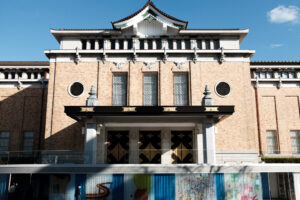
    Held at the Kyoto City KYOCERA Museum of Art (京都市京セラ美術館), one of Japan’s oldest public art museums. Originally opened in 1933, formerly the Kyoto Enthronement Memorial Museum of Art and later the Kyoto Municipal Museum of Art, KYOCERA has undergone numerous transitions, weathered crises and natural disasters, survived even the war period, performed its duty as the host to important exhibitions and festivals, including the first Kyoto Biennale in 1972, and eventually reopened in 2020 after a three-year renovation.

    Artists are not oracles. Rather than attempting to predict what the future will look like for every one of us, the exhibition invites us to synthesise our classical and romantic understanding of the world by genuinely integrating art and science, disciplines that were never put at odds in ancient times, as Robert Pirsig suggests in Zen and the Art of Motorcycle Maintenance. By exploring the potential of both, where art is no longer dismissed as “useless”, and technology is no longer merely another fancy gadget worn on the wrist, the exhibition opens up alternative possibilities.

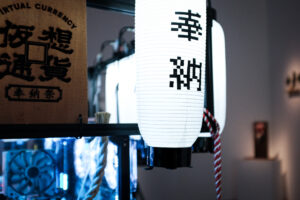
    As technology continues to advance, it raises questions about how values and traditions might be preserved in future contexts, re-examines ideas such as waste recycling and the cashless society, and questions how the very structure and meaning of life might be reconsidered. VR and AR are extensively used, while textiles and abandoned public spaces are reimagined through 3D printing. Materials like brass and glass are reinterpreted to produce striking psychedelic visual illusions. The exhibition also addresses the ethical and moral issues raised by advances in medical science, while considering how digital technology may reshape not only our physical existence but our mental lives as well.

    Technically a warm-up, the exhibition is nevertheless a fascinating end-product of collaborations between artists, corporations, and research institutes. With a wealth of intriguing ideas on display, there is every reason to look forward to the real deal when things kick off in 2022.


  • defragment | See Saw gallery + hibit

    defragment | See Saw gallery + hibit

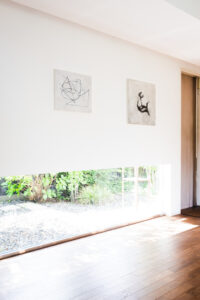
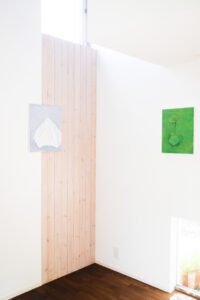
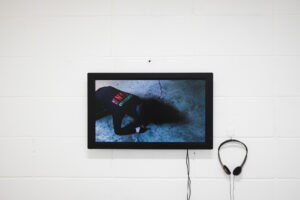
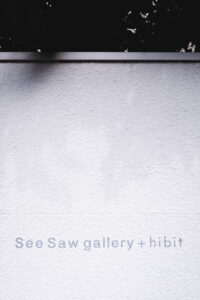
    We would like to present a series of photographs documenting defragment, an exhibition by Takehiko Hoshino (星野武彦) held at See Saw Gallery + hibit during the summer of 2020.

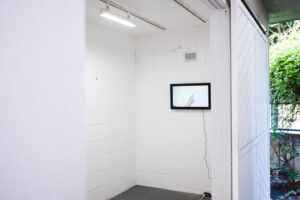
    See Saw exhibits contemporary art primarily by Japanese artists. A small project space named hibit, converted from an old storage shed on the premises and opened in 2016, is dedicated to more experimental practices like video and installation works. For this particular exhibition, Aichi-born artist Takehiko Hoshino (b. 1976), who suffered memory loss following a traffic accident many years ago, attempted to piece together fragments of those lost memories. Hence the title defragment, inspired partially by Microsoft’s Drive Optimizer, a program many of us probably remember running in the hope that it would, well, optimise our hard drives. Hoshino draws a parallel between human memory and computer storage, questioning the reliability and truthfulness of both. A fascinating comparison, just like the data on a hard drive, where it’s constantly being written and erased, our memories are reconstructed daily, as we continue to live and age, we create our own malleable illusions.

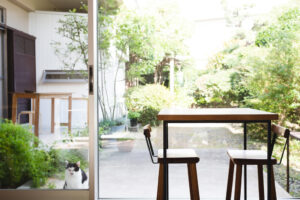
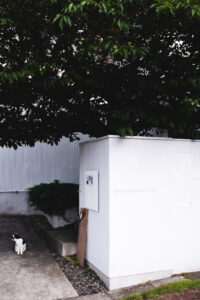
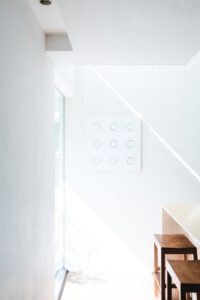
    Launched in 2009 and directed by Mieko Ono (小野美恵子), See Saw is tucked away in a quiet residential neighbourhood in Mizuho, Nagoya. Surrounded by greenery and shrubs, the gallery stands out from its surroundings yet sits perfectly and harmoniously within, the sort of place you might expect to find in a book on Japanese architecture. Upon entering the gallery, immediately, you’re welcomed by the warmth of natural light, and an aromatic smell of freshly ground coffee beans hits you coincidentally.

    As you traverse the exhibition rooms, a somewhat lazy, grumpy-looking cat may begin to trail behind you. Just when you pause to gaze at a work, your new companion will likely do the same, stretching out by your feet nonchalantly with an indifferent yawn. When she has perhaps had enough art for the day, she’ll rise up, squeeze, when you slide open the glass door,  and disappear into the garden. An intimate, serene, yet open and inviting picture that the gallery paints. Art, coffee, and a cat, honestly, what’s not to like?


  • Geometric Garden | Standing Pine

    Geometric Garden | Standing Pine

    Standing Pine is a contemporary gallery located in the Nishiki district of central Nagoya. Founded in 2009, it presents exhibitions across a range of artistic media, promoting both emerging and established artists while introducing international artists to the local art scene. A bit of trivia, the gallery’s name is a literal translation of the surname of its director, Takeshi Tatematsu (立松武), where tate (立) means “standing”, and matsu (松) means “pine” in Japanese.

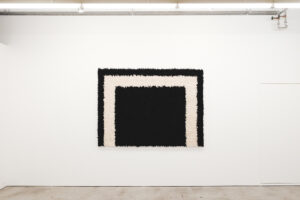
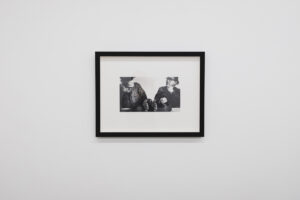
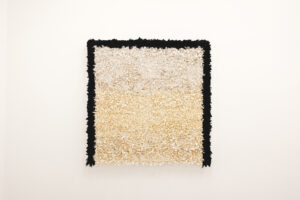
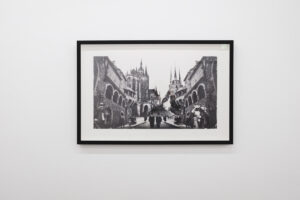
    We would like to present a photographic documentation juxtaposing two exhibitions held at Standing Pine between July and October 2020: The Geometry of the Angel as Point of No Return to Dress the Present by Joël Andrianomearisoa1, and Behind the Garden, featuring Kazuo Okazaki2 and Shinji Ogawa3.