28 February 2020
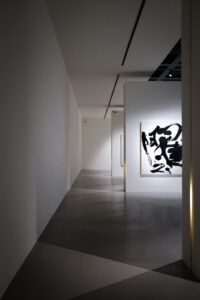
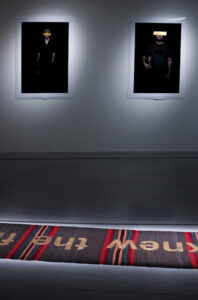
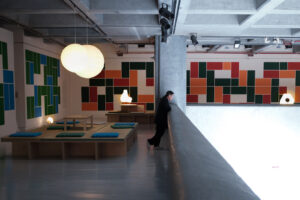
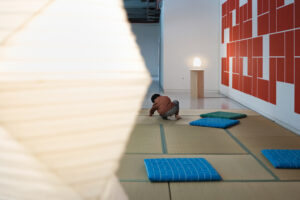
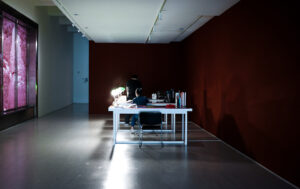
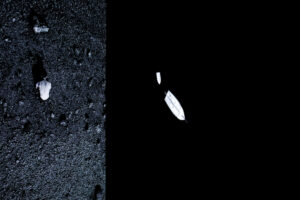
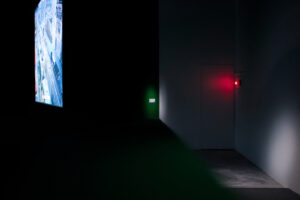
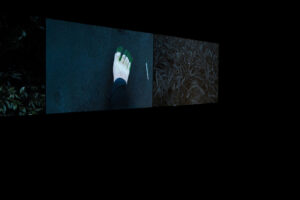
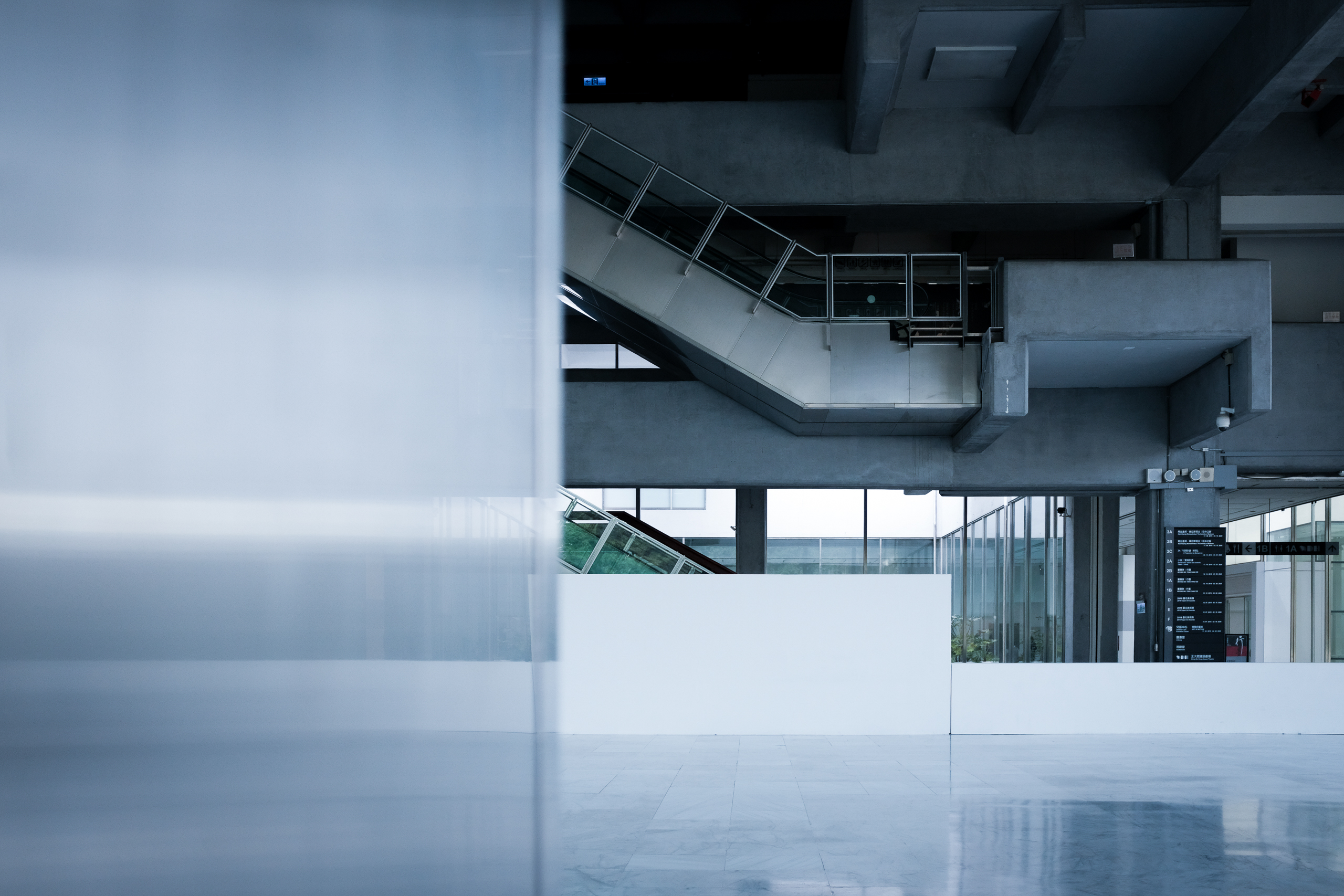
We would like to present a series of visual documentation juxtaposing photographs taken from three exhibitions hosted at the Taipei Fine Arts Museum earlier in 2020, namely Moving Ink featuring Tong Yang Tze1, The Serenity of Madness / 狂中之静 featuring Apichatpong Weerasethakul2, curated by Gridthiya Gaweewong and produced by Independent Curators International (ICI); as well as Island Tales: Taiwan and Australia / 小說: 雙城計劃, curated by Chien Cheng-yi3. The visual documentation is divided into two chapters, and the photographs are not presented in any particular order of importance. Other highlighted works in the series include the likes of Disembodied Posture by Yi-Ting Wang. For the second chapter of the series, please follow the link.
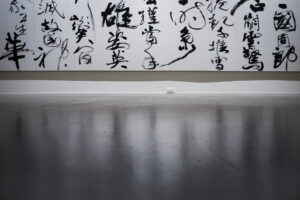
Tong Yang Tze’s calligraphic works are broadly considered modern. The Shanghai-born Taiwanese calligrapher uses the art form as a medium of creative expression, meaning most of the characters are predominantly unrecognisable despite being written in Chinese characters, or kanji (漢字) in Japanese. Differing from traditional calligraphy, where much of the practice serves a purpose — be it educational or religious — modern calligraphy, on the other hand, rids itself of functionality.
The foundations of the form, however, such as brushstroke technique, ink application, structure, and composition, remain consistent and are nonetheless heavily emphasised. In a way, the modern method becomes an abstract deconstruction and reconstruction of the traditional form, expanding the horizons of calligraphy while evolving to adapt to contemporary times.
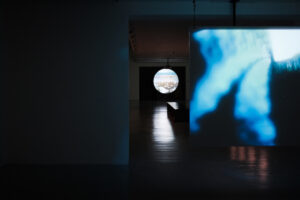
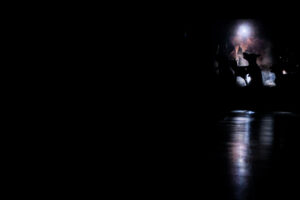
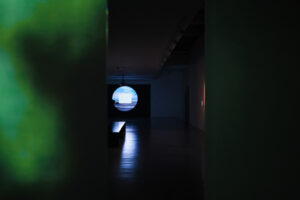
The video artworks of the internationally acclaimed and award-winning artist and filmmaker Apichatpong Weerasethakul are perhaps more familiar to many of us. Born in Thailand and educated in the US, Weerasethakul’s works resist easy comparisons drawn between the modern and the traditional. They often come across as mythical and quintessentially, experimental. Yes, they can feel highbrow, like much of contemporary art, and yes, at times they can be hypnotising too. My personal advice is to stay focused and stay curious because, in this case, you are about to enter the artist’s subconsciousness, an invitation handed over by the curator.
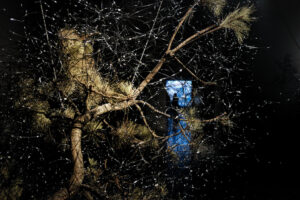
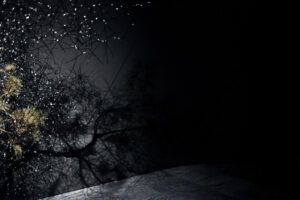
Take your first step carefully, because the entire exhibition is pitch-black. Once you begin to explore, you encounter surreal visuals accompanied by momentary sound and atmospheric lighting, almost as if they were all escorting you into a dreamlike state. Nearly palpable, you experience a narrative woven by the artist, interlacing fragments of his personal memories with spiritual and religious elements. As you continue to wander, his most intimate world gradually unfolds. You find traces of his American upbringing, and glimpses of his relationships with those closest to him are quietly revealed. Towards the end, more recent works addressing the social issues of his country of birth are also exhibited.
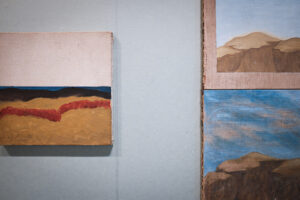
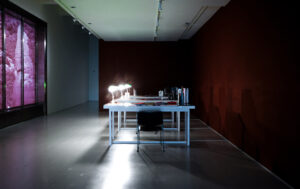
The final remaining exhibition features tales of Taiwan and Australia. Taipei and Perth are probably not cities you would instinctively pair together under many circumstances, but it turns out that this year marks the 20th anniversary of their city-to-city friendship. I couldn’t tell you exactly what that truly signifies, but hey, 20 years is a long time, and what better way to celebrate than with an art exhibition? Rather than sailing towards the historical truths or geographical magnificence of the two islands, the exhibition tells stories of reimagined fantasies where you embark on this imagined journey set somewhere between Taipei and Perth, past and present, paved by the curator along with 13 artists.
You hear whispers, learn of fictions and personal memoirs, and find yourself entertained by insignificant trivia and the most private matters. What else do you see? An ingenuous encounter or illusory daydreaming? This journey unequivocally reminds you of your own tales, even for an outsider like myself.