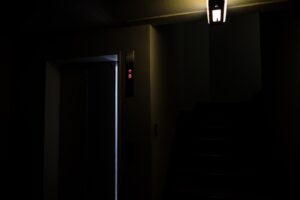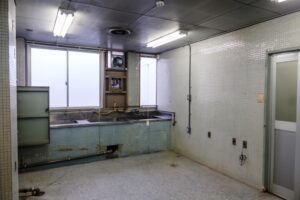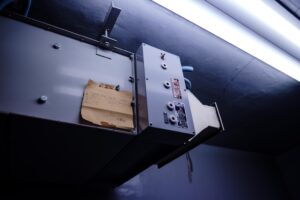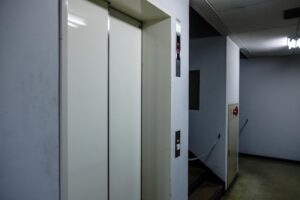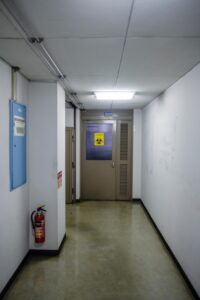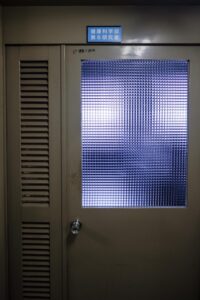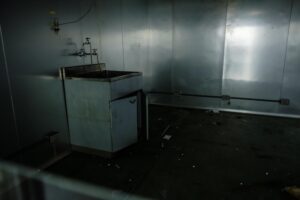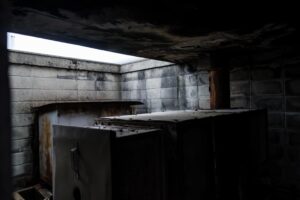
We would like to present a three-part series of a photography essay dedicated to an art project titled TRANS-, which took place in Kobe (神戸), Japan, from September to November 2019, exhibiting works by Gregor Schneider1 and Miwa Yanagi2.
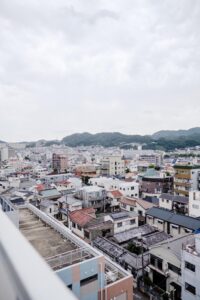
Kobe is a well-known port city renowned for integrating foreign cultures, as well as its long history of commercial trade and industrial development. As you wander through the centre and parts of the city, it can even strike you as being in Europe at first glance: the pavements and street decorations, the style of the architecture, though noticeably with a Japanese twist.
Like numerous other cities around the world, Kobe is also going through phases of transformation. Memories are being left behind, buildings are deserted. Unlike countless biennales, art events, and festivals that have erupted across Japan and the world, especially during the last few years, TRANS- deliberately escaped the conventional framework of museums and exhibition halls. Instead, it utilises abandoned venues in areas outside the prosperous heart of the city, where decline had started to creep in many years earlier, following the Great Hanshin earthquake in 1995. The artists raised questions regarding such transformations, dealing with the city’s buried past and its people: in order to “move on”, how should the city “transcend”?
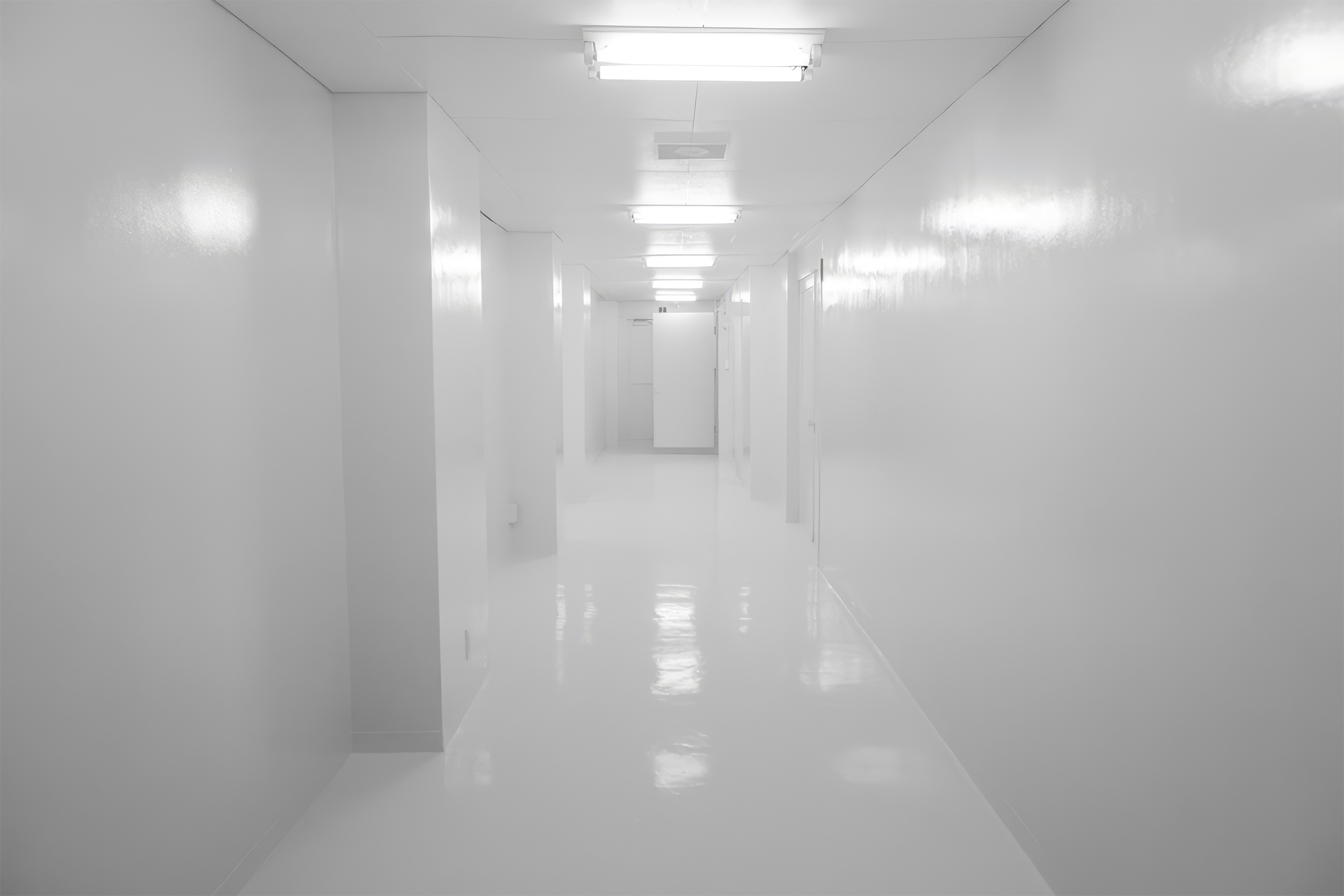
“Shut your eyes and see,” as James Joyce once stated. Rather than entertaining visitors with contemporary art pieces and visually appealing installations, the hollow, almost eerie spaces imagined by the artists instead created daunting moments for participants to experience the forgotten lives of the city.