08 September 2022
We would like to present to you a series of photographic essays centred on Aichi Triennale 2022: Still Alive, which took place between August and October 2022 across various venues in different cities and towns in Aichi Prefecture, Japan, namely Arimatsu, Ichinomiya, Nagoya and Tokoname.
The theme of the Triennale is pretty much self-explanatory. In case you’ve been away from the planet, for the past two years there’s this thing called COVID-19 that has barged into everyone’s lives, crudely stripping mankind of anything fun and pleasurable. Doomsday, it seemed, when it surfaced globally in early 2020, humanity was facing the greatest threat since World War II… Maybe that was a step too far, but at some point, I’m sure many of us felt that way.
When finally, finally, in the year 2022, the COVID restrictions were lifted — Japanese borders reopened once again, welcoming the return of tourists, combined with all the geopolitical bullshit going down and prices soaring across the world — “Still Alive!”, as mankind shouted.
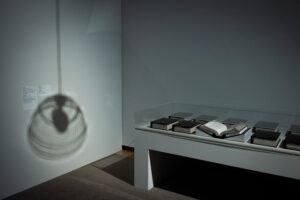
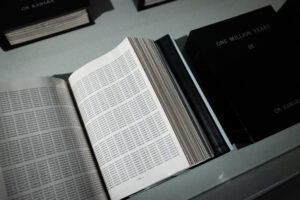
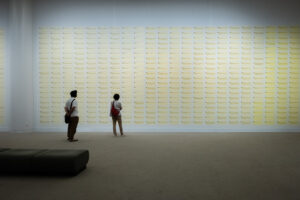
The title of this Triennale is probably nothing but apt — like, fantastic timing. Still Alive is also a name directly derived from a series of works created by the Aichi-born conceptual artist On Kawara1, started back in the 70s and continuing until the year 2000. The work comprised a collection of over 900 telegrams, under different forms, that the artist sent from New York to his friends and foes, curators and collectors, carrying the plain and direct message declaring his existence, that he had not committed suicide: “I am still alive.” Which is no longer the case today because our man has already passed away.
The controversy that clouded the previous 2019 edition surrounded the topic of a comfort woman statue installed in one of the main museum venues. “A scandal” — many newspapers in the country headlined at the time. One section of the museum was subsequently closed, with the work removed after being on display for no more than a measly few days, as complaints and even threats poured in. To this day, I personally still see it as somewhat of a shame. If an object of art is not there to provoke critical thinking, nor to evoke emotions, if an art event is set out to serve the purpose of nothing but a theme park attempting to draw a crowd and please everyone within that crowd in the process, or if every art biennale in the country is to meet the requirements of the local government with an underlying message hinting at area revitalisation under the guise of contemporary art — of course, this is not to say that the intention is bad to begin with — surely all the tax money could, or perhaps should, be invested more wisely instead?
Regardless, what’s done is done, and that “scandal” — only speculating here — was probably one of, if not the dominant factor as to why, this time round, for its latest 2022 edition, the Triennale committee brought in one of the largest cannons working in the industry today, Mami Kataoka2 of Mori Art Museum, Tokyo, to spearhead the direction of this massive game, raising the curatorial question of what it means to stay alive while living in an era of uncertainties and struggles — working collaboratively with over 100 artists from more than 30 countries and different parts of the world, whilst making sure that nothing would go south, I imagine.
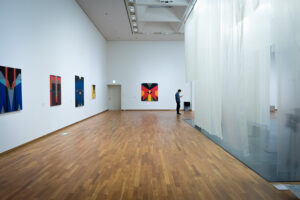
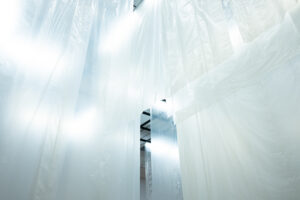
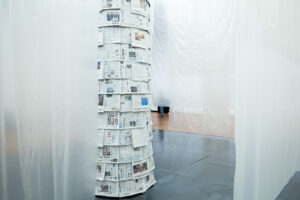
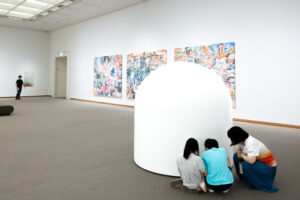
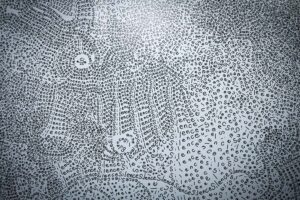
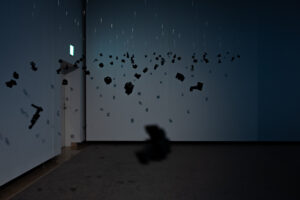
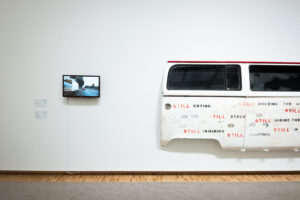
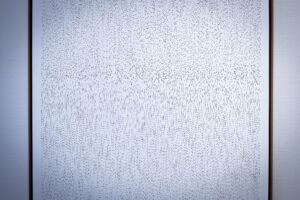
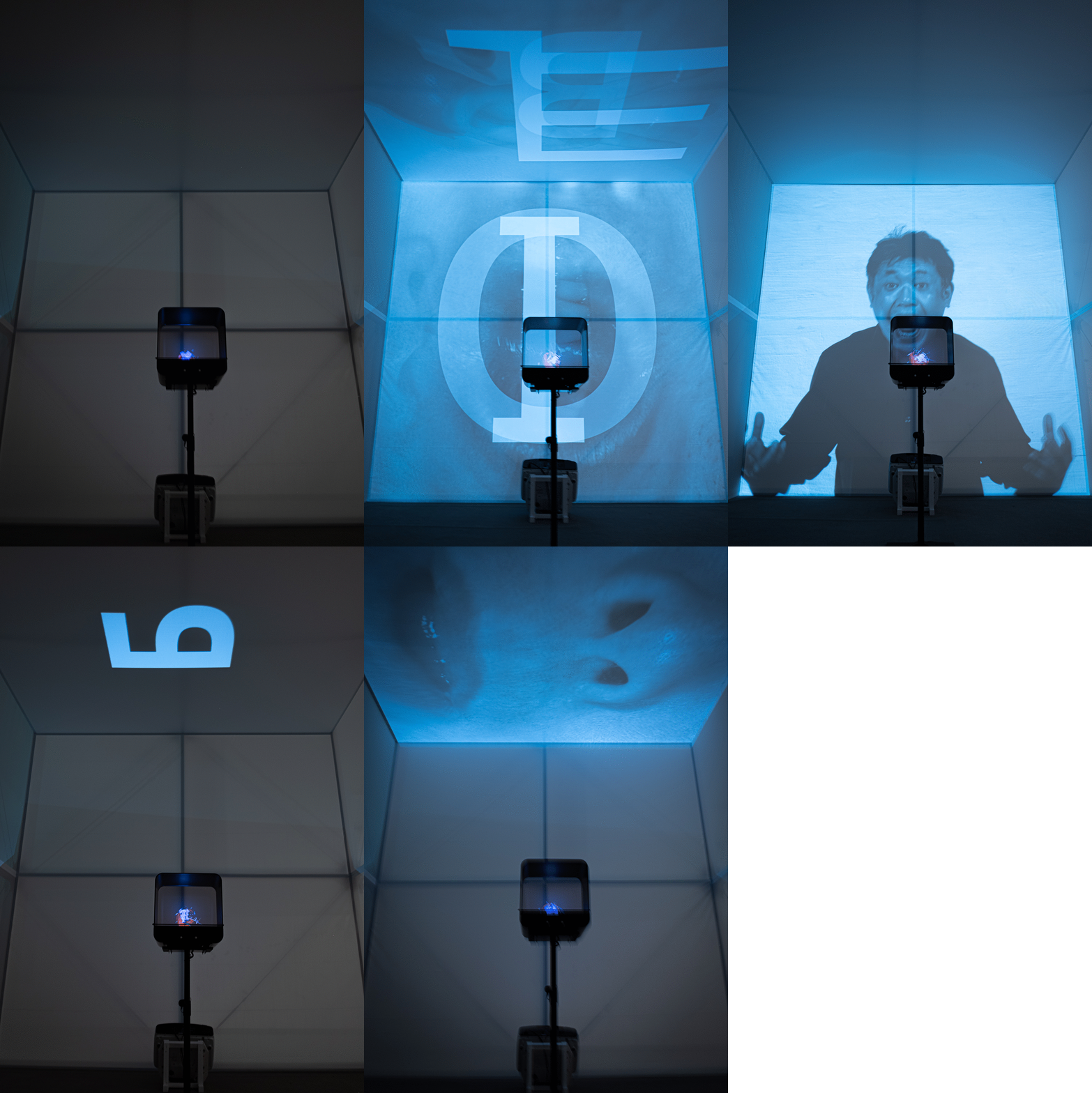
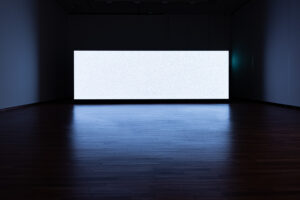
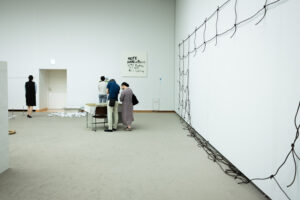
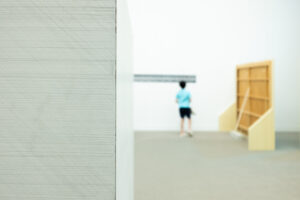
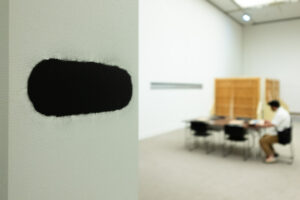
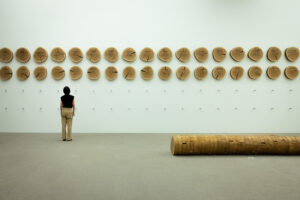
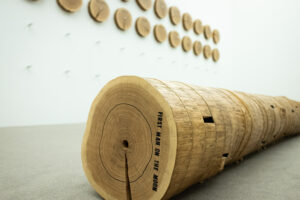
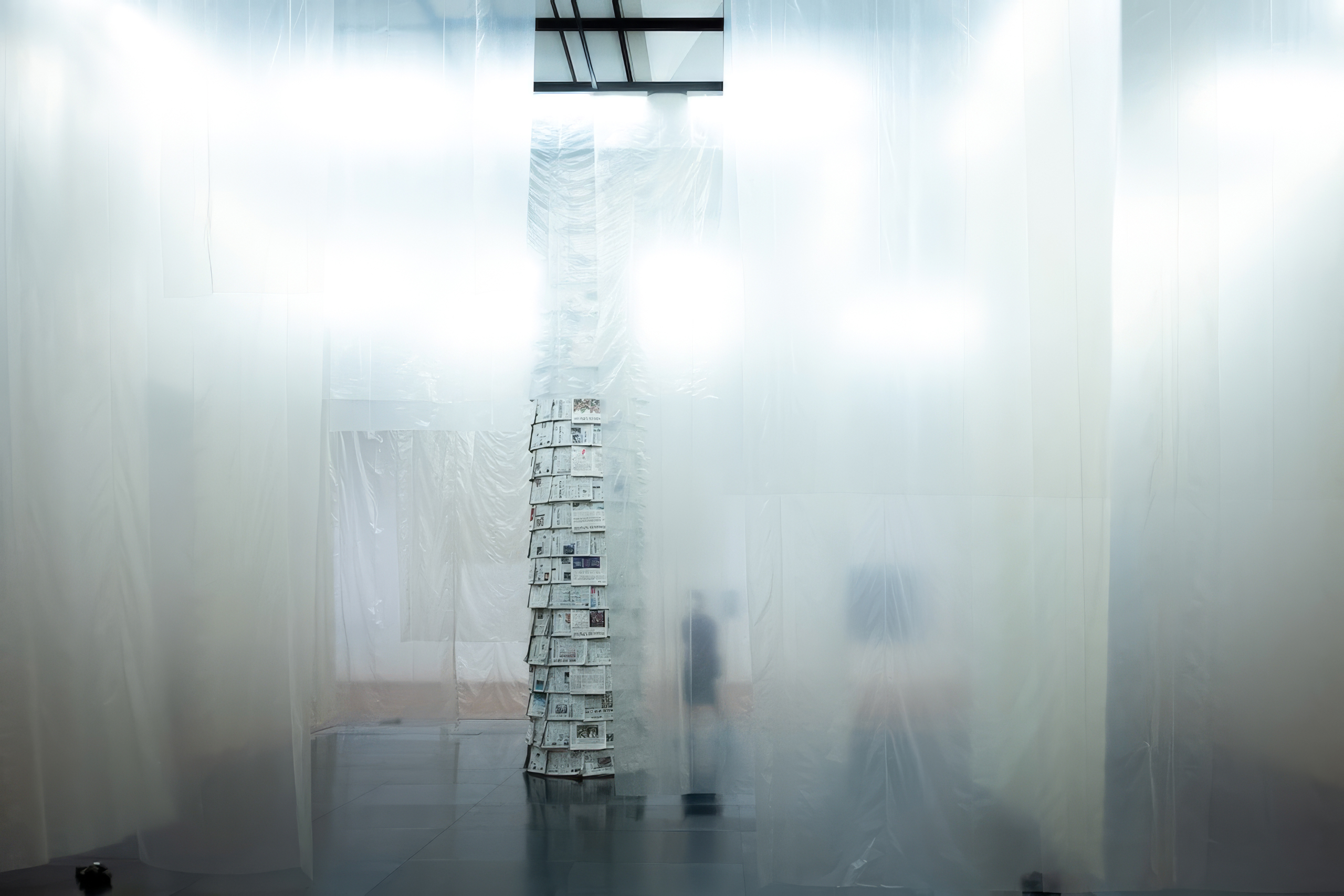
The first part of the documentation below focuses on the Aichi Prefectural Museum of Art. Kicking off with Marcel Broodthaers’ Map of a Political Utopia and Small Paintings (1973), followed by Kawara’s telegram works, through to Watanabe Atsushi’s I’m Here Project, each projected their own individuality to the world in an attempt to investigate temporalities, historical, political and social emergencies while attesting to the existence of human beings in spite of the turbulent times that we are living in. There was no lack of interactive artworks allowing adult and child visitors to participate and leave their marks, in turn completing the works in question.
Meanwhile, the exhibited works in each city aroused a great sense of locality, with many of them being deeply community-oriented, which was clearly another one of the curatorial directions initially set forward, in terms of encouraging the artists to excavate the relationship, as well as trigger a dialogue, between lesser-known regions of Japan and the rest of the world. Take Chiharu Shiota’s exhibition in Ichinomiya, for example, a city with a flourishing textile production industry. Here we saw Shiota’s new installation Following the Line (2022), embodying hundreds, if not thousands, of her signature red yarns, said to have been locally sourced, radiating from textile machinery and weaving a monstrously expansive web of blood vessels resurrecting the memories of the bygone. The red threads traversed the entire space of an abandoned saw-tooth roof factory (Nokogiri / 鋸), now turned gallery studio, overspreading the ceilings and superimposing themselves upon the aged walls. Here you would also find traces of its former life remaining, elucidating the tales of a forgotten past.
Many of the partnership programmes this year were noticeably more prominent than ever before, GROWING SPACE (2022) included, I dare say. KONMASA Gallery in Arimatsu probably hosted one of the most mesmerising exhibitions that I have seen in the past year in Japan. With a chic café located on the ground floor, upon entering the gallery space upstairs you would be greeted by a Triennale-related Shibori exhibition, paired with an experimental series of showcases by KONMASA the artist, should you decide to venture further into the darkness. While I was there, it almost felt like the whole scene had transported me back to some underground gallery I used to goof around in East London.
Nowadays, whenever I get to visit an exhibition or an art event, I begin to see through the process behind each physical manifestation of artistic expression, and the effort and finance necessary for its eventual materialisation, thereupon learning to appreciate more about the production value. Especially with a curatorial direction in place, you don’t simply put an object on top of a plinth or hang a picture on the wall and say, “voilà”. Overall, the Triennale felt intricately designed, with detailed guides and maps available right at your fingertips. Whether the exhibition was situated inside a museum white cube or a kominka3, everything was thoughtfully planned, leaving enough room for visitors to navigate their way through objects, installations and wall text statements. However.
On a different note, upon visiting nearly all the venues across five areas of the prefecture in a total of six days over the course of seven weeks, regretfully, a feeling of utter incompletion lingered, like somewhere down the bottom of my heart, I was desiring, craving even, more — for more intellectual and physical challenges, something a bit more in-your-face. Granted, most of the works exhibited dabbled around the theme of the Triennale; everything played out peacefully and safely. Living in the city of Nagoya, I for one, understood the imperative political correctness demanded this time round in order to save some face, or rather, the Triennale itself, resulting from all the chaos, conflict and disturbance caused by its predecessor.
And hey, let’s not forget that the aftermath of the pandemic hadn’t evaporated just yet, some optimism and order can in fact contribute to greater greatness. The flip side of that coin, nevertheless, is that there lay an apparent discrepancy between the showcased exhibitions themselves, with the ones in Ichinomiya probably being the only exception, the fact that the venues there were absolute badass — immense enough for the artworks to breathe, haunting enough to provide a disparate viewing experience — a utopian amalgamation of the old, the modern and the abandoned.
Many of the other exhibitions, conversely, felt like a mashup of work after work. What’s more, they at large conveyed a feeling of dilution, that the artworks were being excessively diluted by being presented in such a way that, eventually, inevitably and unfortunately, the only things viewers ended up with were conceivably nothing more than mere dozens (or hundreds) of photos on our mobile phones. And that, perhaps, is the ultimate testimony to authenticating our aliveness in the modern era.
For the rest of the series, zooming in on Arimatsu and Endoji, Ichinomiya (Parts 1 & 2) and Tokoname, as well as the second part on the museum, please follow the respective links.