30 January 2020
Hidden away on the third floor of a massively monumental neoclassical building on the Bund1, you are almost guaranteed to miss the Shanghai Gallery of Art the first time around. Upon backtracking your steps and eventually arriving at, presumably, the building’s entrance on a side street, you are met by madams in extravagant dresses and heels, chefs chatting and puffing in white uniforms, tourists and locals dashing in and out. This can’t possibly be an art gallery that means serious business, can it?
How wrong I was.
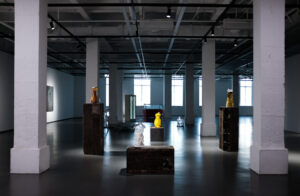
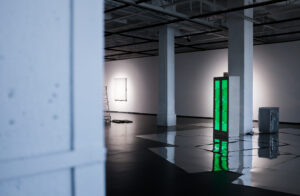
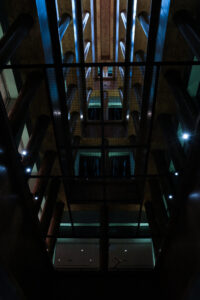
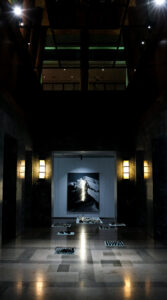
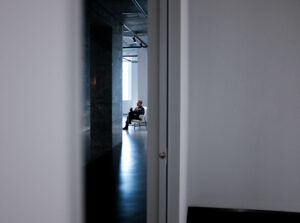
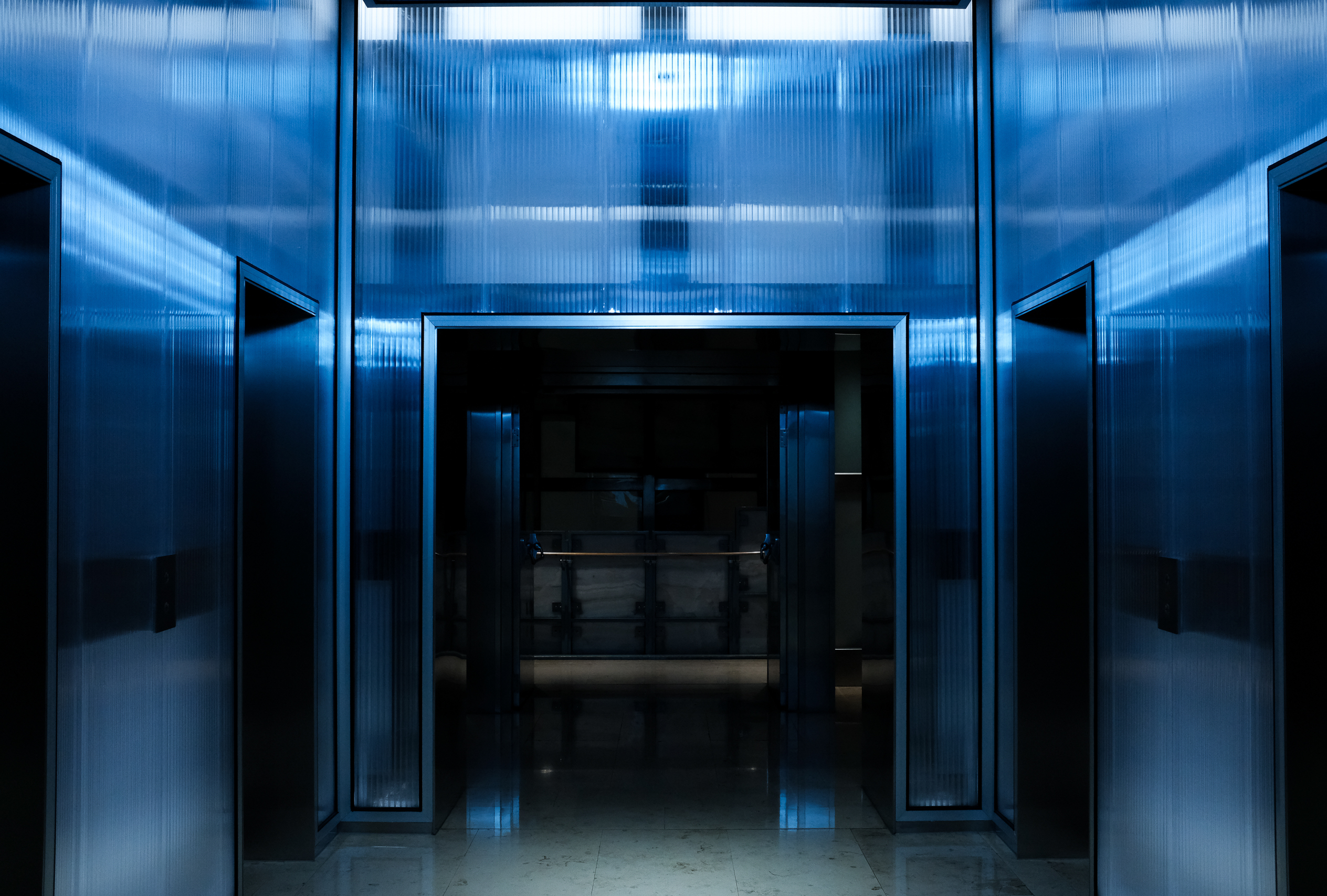
After a few moments of confusion and frustration, and, of course, a short elevator ride, it felt as though I had landed on another planet. Arriving at the doorway to the space, I was immediately struck by the soaring ceilings. I am almost certain that the human brain is wired to be impressed by such interiors, a sense of history and grandeur never fails. Unexpected, too. It is not the sort of space you could casually chance upon, not even in Europe.
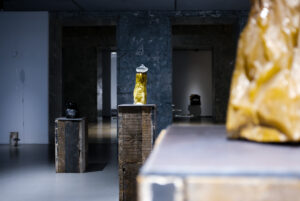
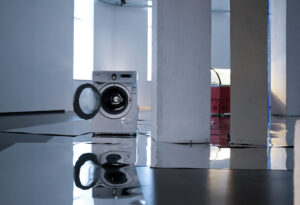
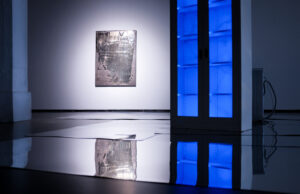
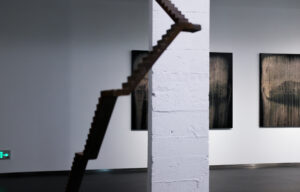
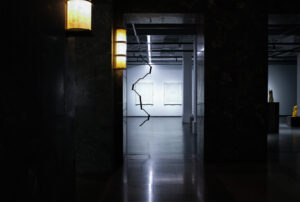
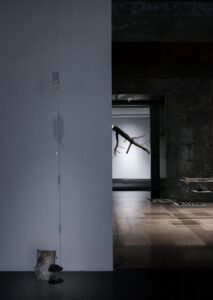
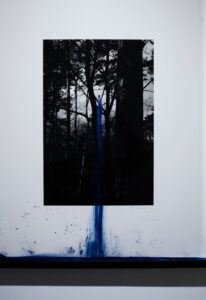
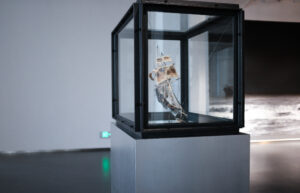
Wrapped up earlier this January 2020, shortly after the New Year, the exhibition Aftermath / 余波, curated by nrm, brought together works by Gao Weigang2 and Michael Joo3, evoking a daunting yet strangely calm post-apocalyptic ambience. Rather than painting a crumbling dystopian world familiar from science-fiction films or Japanese anime, the exhibition centres on the end of civilisation and consumption: what remains of a society, and what history entails. Fragile objects engraved with forgotten stories assume peculiar new forms and are deliberately scattered throughout the space.
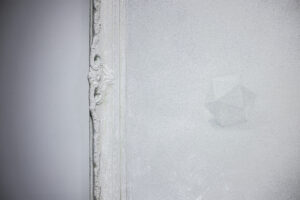
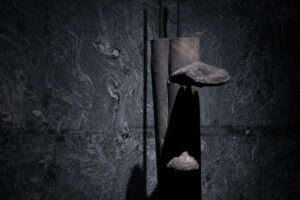
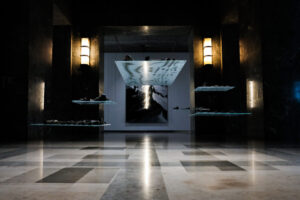
Perhaps one of the most intriguing aspects of the exhibition was its diverse presentation of materials. Seemingly ancient wooden plinths lean against magnificent marble walls, with silver nitrate paintings and carbonised mushrooms, whatever those are. Everyday household appliances and even plastic shopping bags seem to have undergone strange evolutionary phases, acquiring grotesque features and eccentric behaviours, as though they had become living organisms in their own right.
The exhibition questions our perception of permanence and resurrection. Where might our contemporary notions of beauty ultimately lead when the world as we know it comes to an end?
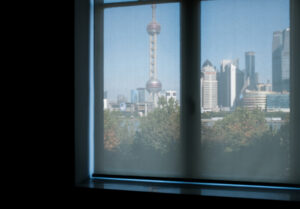
Looking out from the gallery windows, the iconic Oriental Pearl Tower4 stood tall and assured in Lujiazui5, or Lokatse in the Shanghai dialect — the largest financial district on mainland China, dominating Shanghai’s skyline and presenting a stark contrast to the stranger world imagined by the artists and curators within.
A curious aftermath indeed.
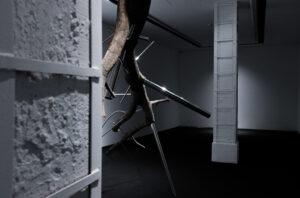
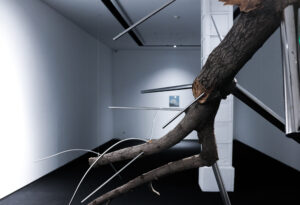
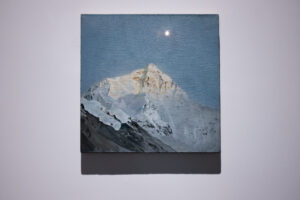
Make no mistake, though, it was undeniably a dystopia inside, when you see metal pipes sprouting from wooden branches and hanging ominously from above. Yet beyond the distant mountain peak, a glimmering light was beaming with hope, signalling the persistence of humanity and some degree of optimism. Given the world’s current state of chaos and disorder, that is surely something we can all reach for, and perhaps even hold on to.