30 October 2020
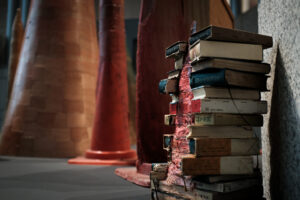
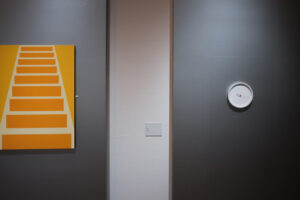
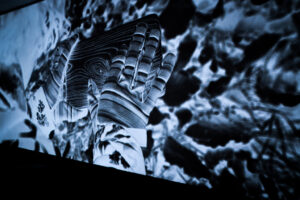
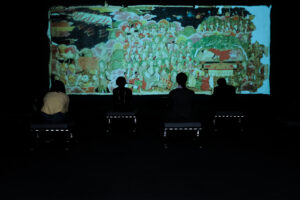
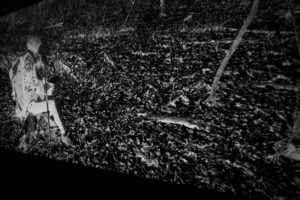
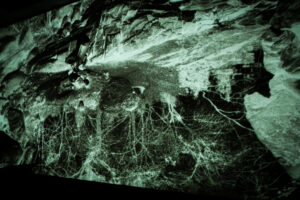
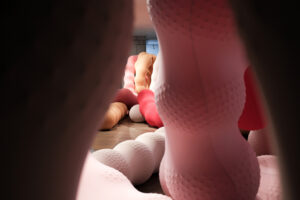
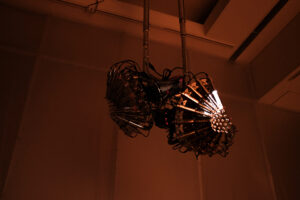
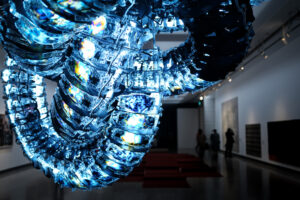
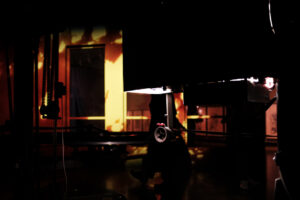
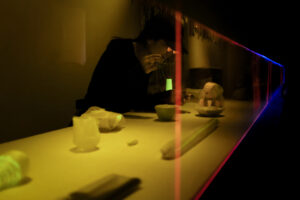
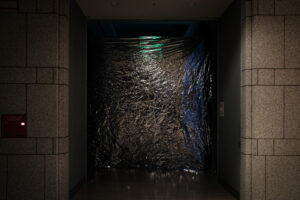
We would like to present the first part of a series of photographs documenting the Yokohama Triennale 2020, which concluded not long ago in October. Initially delayed due to the pandemic, the Triennale was an ambitious and challenging undertaking during a particularly difficult period, featuring more than sixty artists, most of whom were not Japanese, posing obstacles not only in communication and logistics, but also in production itself, as one can easily imagine.
A couple of months before the original opening date, I reached out to the Triennale committee to enquire about the possibility of the fair not happening at all. In return, I received a rather affirmative and reassuring response that nothing would change except for a slight postponement. Much like the Japanese government’s “Go To” campaign, perhaps one of the cleverest or dumbest things a government could come up with, depending on which corner you are in, whether it was wise to encourage domestic travel and stuff hundreds of people into museums amidst a global pandemic, I will not be the judge of that.
The Triennale, meanwhile, was co-organised by the local government and art foundation alongside The Asahi Shimbun and NHK. Together with the Triennale committee, the sponsor list included banks, real estate corporations, and the usual suspects. Again, whether by and large there was a political motivation behind the whole plot, I will not be the judge of that either. From a creative production perspective, however, it was an incredible feat to pull off under such circumstances. Not to mention that, after being confined to a dreadful period of lockdown, despite being much more relaxing compared with many parts of the world, people simply wanted to go out and experience things again.
Sentiment noted — here came the Triennale.
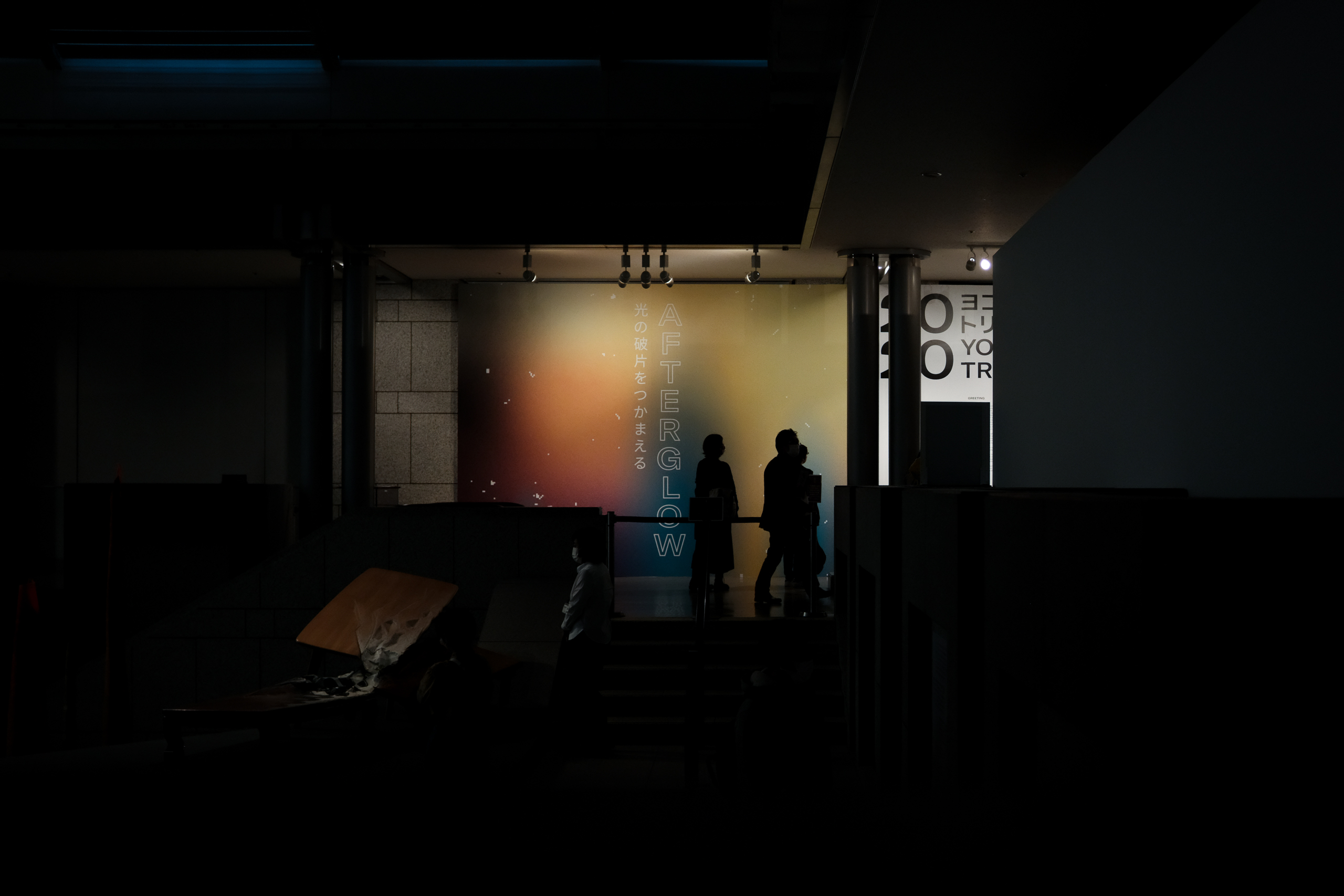
Setting foot once more in Kanagawa Prefecture, generally considered the second most populated area in Japan, to the south of Tokyo, an industrial port no more, the city of Yokohama has been busy transforming itself into an international and creative hub for the past two decades. Since its initial launch in 2001, the Triennale has unquestionably played a major role in bridging cultures, while redeveloping and reshaping the city’s artistic landscape. This year’s edition was hosted across the Yokohama Museum of Art, PLOT 48 — formerly the Anpanman Children’s Museum & Mall, as well as the NYK Maritime Museum. Artistically directed by Raqs Media Collective, the Triennale was titled Afterglow, a somewhat romantic and poetic name given by the New Delhi–based trio, as if resembling a silver lining among a mass of dark clouds floating overhead.
But was it really?
Granted, the Triennale had most definitely been planned long before the pandemic and chaos struck, when things were relatively simpler, when people could roam around freely without the obligation to wear a mask. Whatever the curators were set out to achieve originally, inevitably, it had to be readjusted under the current climate, and whatever justification and reinterpretation the title Afterglow later came to embody, often felt like an exercise in wordplay. Throughout my eight hours of art-viewing across two venues, something did not sit quite right. The feeling lingered like a bad hangover, something felt inherently disconnected, out of context even.
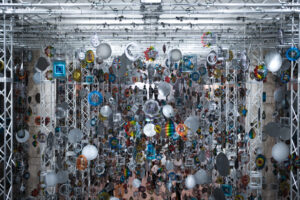
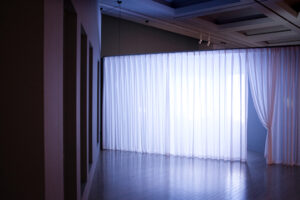
This is not to say the works presented lacked interest or were not thought-provoking. There was no shortage of head-scratching as well as nodding moments. Numerous works served as reminders that we are, in fact, living in a world of transience now. It touches upon history and lost memory, not shying away from confronting political, social, cultural, and sexual matters, questioning the meaning of objects, while spaces themselves were transformed into something rather spectacular. Even the directors themselves were non-Japanese for the first time in the history of the event, and audiences undoubtedly all got their fair share of Instagrammable installation photographs — it ticked almost every box.
Yet for some reason, something just didn’t sit right. Perhaps it was due to the fact that I still had to pay every bit of attention to the virtually non-existent social distancing despite the museum’s best efforts. Perhaps it was that the audiences, while being as cautious as they could, still had to cram themselves in front of the artists’ statements, aspiring to understand the works. And perhaps it was the constant sanitising of hands, or simply, the pain of photographing through a viewfinder while wearing a mask.
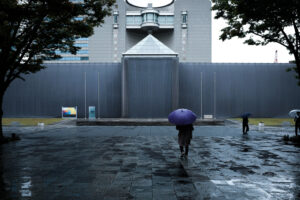
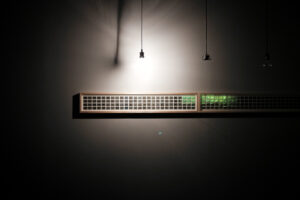
That detestable feeling escalated after making my way down to the satellite venue PLOT 48 in the pouring rain. Inside the building, up the stairs, there was an exhibition primarily concerning shrimps, or lobsters and whatnot. On another day, I might have found it amusing, but at that moment one could not help but wonder whether there might have been alternative ways to suffocate ourselves besides moving from one dark room to another, hoping to extract something out of those endless video pieces. Was this really what we needed while half the world has gone to shit, or was this ultimately an innocent escape from the upheaval for us all?
For the second and third parts of the photography series, please follow the respective links.