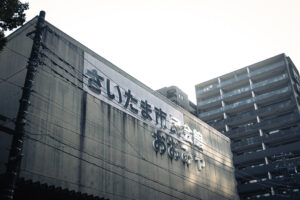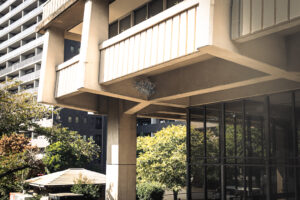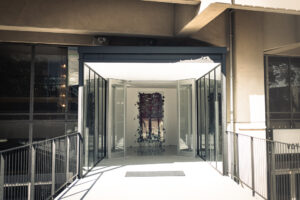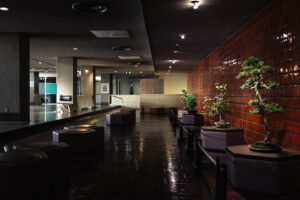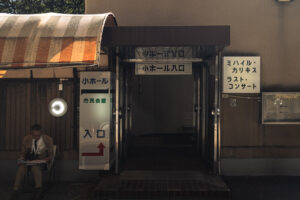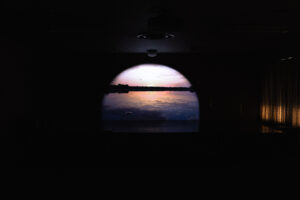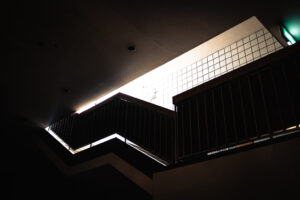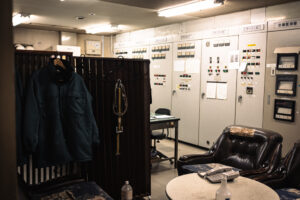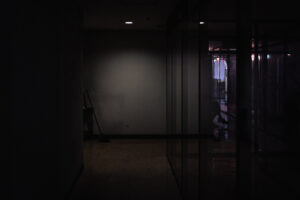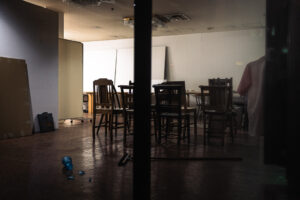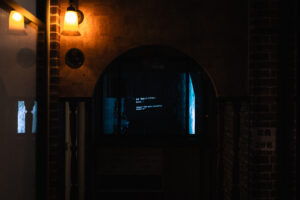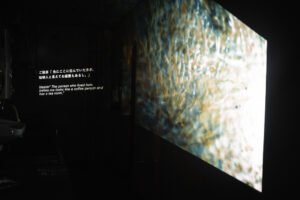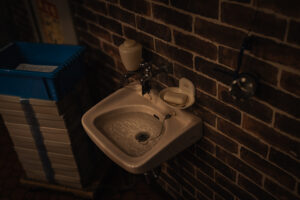
This year’s Saitama Triennale: We is directed by the Japanese contemporary art collective mé (目). The exhibition is housed in the Former Civic Hall in Ōmiya, one of the Triennale’s main venues, in Saitama Prefecture, Japan.
I found myself in Saitama after a 40-minute train ride from Ueno. Perhaps one of the least romantic prefectures in the country, there isn’t much I know about the place other than a handful of stereotypes: the Kurdish community occasionally making the headlines, the growing number of so-called authentic Chinese restaurants and its growing community, Kawagoe apparently being “Little Edo”, and, oh, Saitama also being the hometown of Kojiro Hyuga from Captain Tsubasa, which, of course, isn’t saying much.
And completely irrelevant too, but that probably just tells you how much I actually know about the place.
Coming back to the Triennial, and just to sum it up, the Triennial rejects the notion of a conventional exhibition model, where objects or works of art occupy designated spots or locations mapped across a city, in which the visitor’s goal is to tick off every work, in every room, in every venue. Instead, it privileges serendipitous, supposedly irreproducible experiences unique to each visitor — no names, no texts, no plinths, only the occasional greetings from the volunteers as you cautiously tread through one exhibition room after another, after the initial phase of confusion upon stepping into the exhibition hall.
Coming back to the Triennial, and just to sum it up, the Triennial rejects the notion of a conventional exhibition model, where objects or works of art occupy designated spots mapped across a city, and the visitor’s goal is to tick off every work, in every room, in every venue. Instead, it privileges serendipitous, irreproducible experiences supposedly unique to each visitor — no names, no texts, no plinths, only the occasional greeting from a volunteer as you cautiously tread from one exhibition room to the next, after the initial confusion of stepping into the exhibition hall.
The ethos of it all, essentially, is very much aligned with the practice of the art collective mé (目), whose works, by and large, are neither physical objects nor spatial installations, they are more site-specific conditions and contingent experiences of perception. Like the conceptual art movement of the 1960s, it’s ideas over objects, unlike conceptual art, however, the idea or concept exists to heighten experience and perception, while the location itself is inherently an active participant in the work. And if I were to sum it up again, in the simplest terms, conceptual experience might be right, if, that makes any sense.
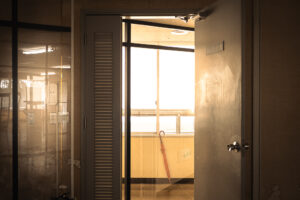
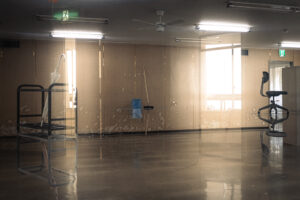
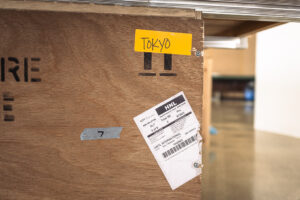
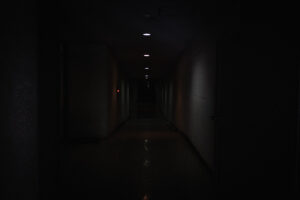
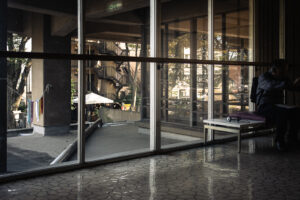
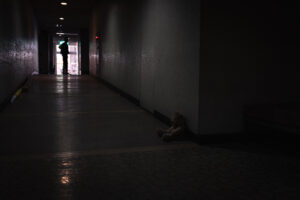
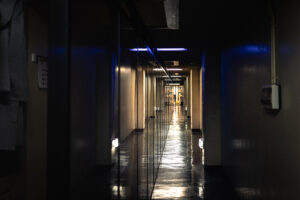
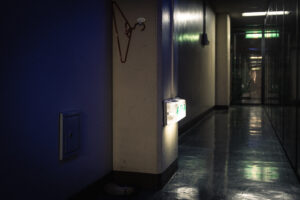
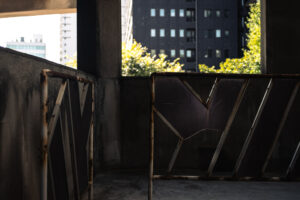
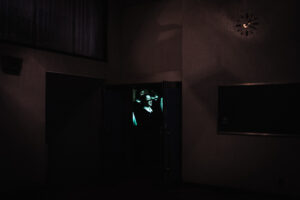
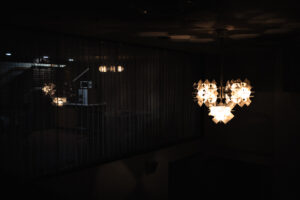
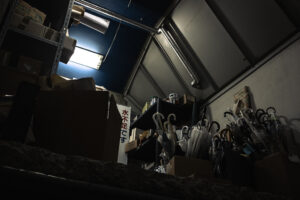
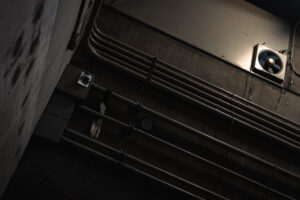
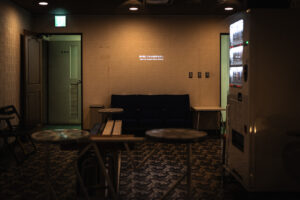
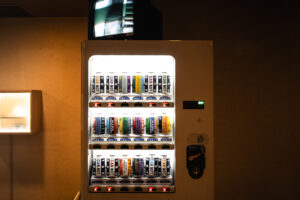
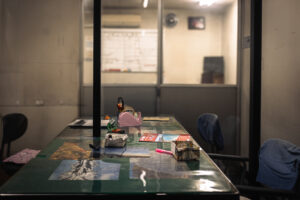
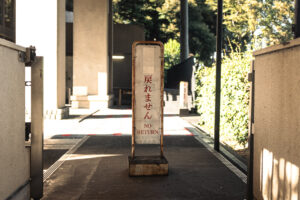
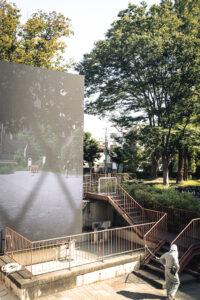
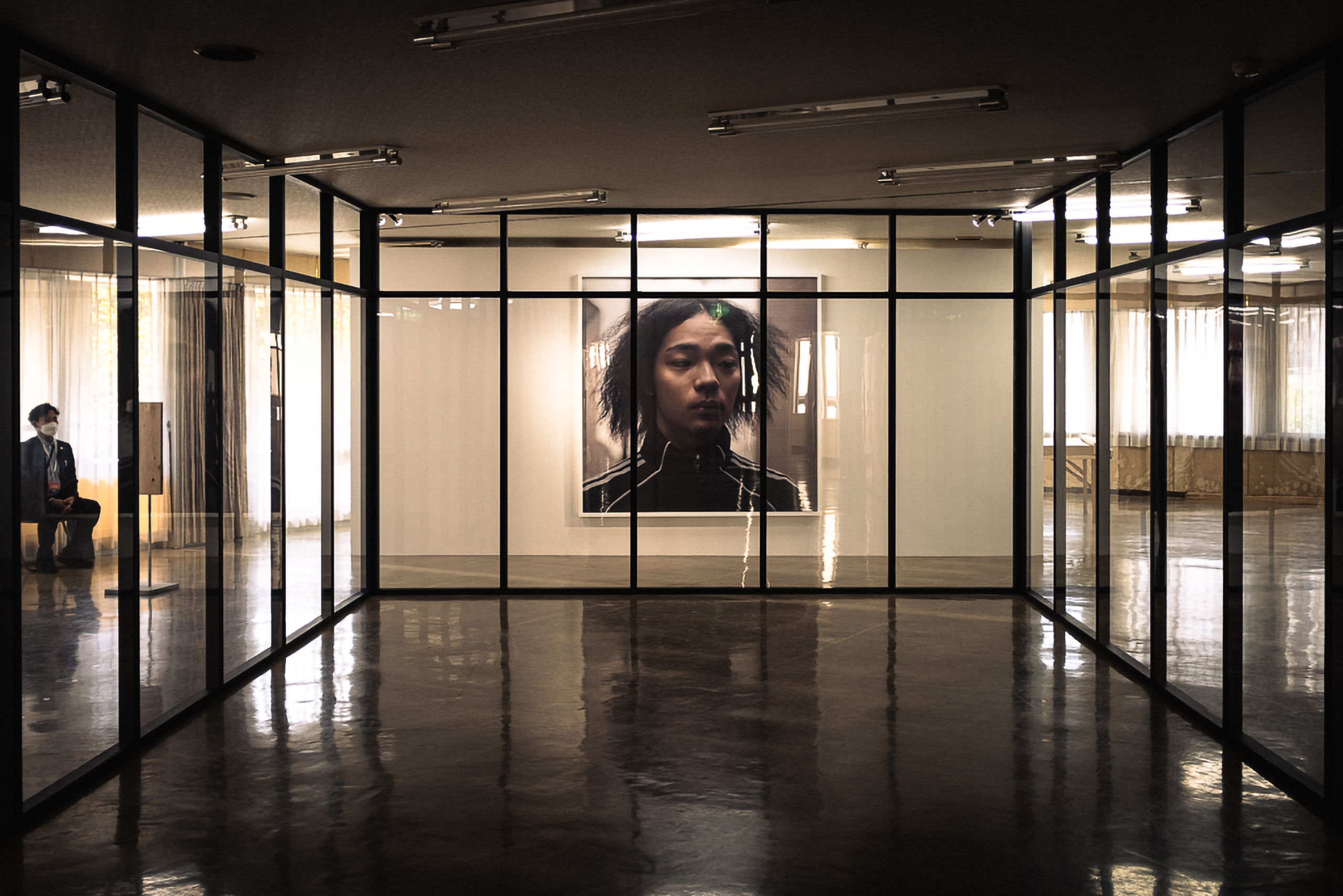
We are presenting a photographic essay documenting the main venue of the Triennale below. The essay serves to capture the atmospheric qualities of the exhibition, far removed from a comprehensive record, on the other hand, the essay only offers fragments of the encounter. What remains outside the frame isn’t a lack but precisely the point, every act of looking is also an act of missing, every corner opens onto another, every certainty seemingly dissolves into something half-glimpsed, echoing mé (目)’s vision of the festival “…where it is impossible to see everything.”